Homes are becoming warmer, more personal and more practical as homeowners embrace colour, natural materials and spaces designed around modern lifestyles.
The way we live at home is changing, and in 2026, interior design is reflecting that shift. The stark, minimalist look that has dominated interiors in recent years is making way for homes that feel warmer, more comfortable and, importantly, more personal.
This year’s biggest home trend is all about creating spaces that feel lived-in rather than showroom-perfect. Homeowners are increasingly moving away from cool greys, clinical whites and overly coordinated interiors in favour of warmer colours, natural textures and furniture with character.
Warm colours to take centre stage
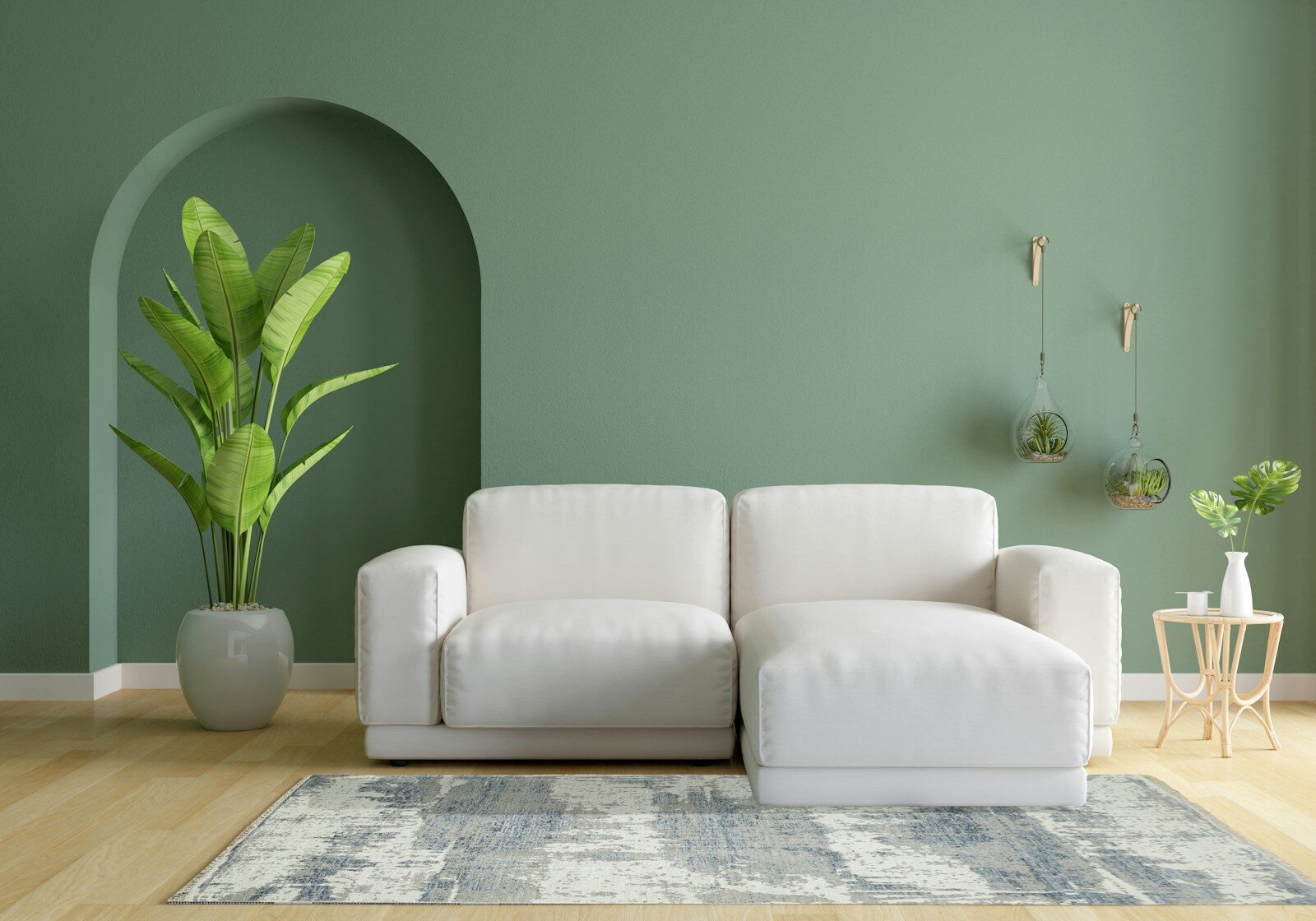
Earthy shades are expected to remain popular throughout 2026, with tones such as olive green, terracotta, chocolate brown, caramel, clay and soft neutrals bringing warmth and depth to interiors.
These colours can be introduced in a variety of ways, from painted walls and kitchen cabinetry to soft furnishings, artwork and accessories. The result is a home that feels inviting while still maintaining a contemporary appearance.
Natural materials to bring warmth
Natural materials are also playing a major role in current interiors. Timber, stone, linen, wool and ceramics are being used to introduce texture and create a more relaxed atmosphere.
There is also a growing appreciation for furniture and accessories that show signs of age and individuality. Vintage and antique pieces are being mixed with contemporary designs, helping homeowners create interiors that feel collected over time rather than purchased all at once.
Personality over perfection
One of the most significant shifts is towards personalisation. Rather than recreating a room seen on social media, homeowners are increasingly choosing pieces that reflect their own tastes, interests and experiences.
Books, artwork, photographs, treasured possessions and furniture sourced second-hand can all help create a distinctive home. Mixing styles, colours and textures is becoming less about following a particular trend and more about creating an environment that feels genuinely personal.
Kitchens to become more flexible
The kitchen continues to be one of the most important rooms in the home, but its role is evolving. Kitchens are increasingly being designed as multifunctional spaces where people can cook, eat, work and socialise.
Clever storage is a key priority, with features such as appliance garages, pantries and dedicated coffee or drinks stations helping to keep worktops organised. Flexible kitchen islands are also gaining popularity, providing additional preparation space while creating a natural focal point for family and guests.
Creating spaces to switch off
As people spend more time thinking about wellbeing at home, there is growing demand for dedicated areas for relaxation. Reading corners, home libraries, quiet spaces and comfortable seating areas can transform previously unused parts of a property into places to unwind.
The emphasis is on creating a home that supports different parts of everyday life—from working and entertaining to relaxing and spending time away from screens.
Lighting makes the difference
Lighting is another area receiving greater attention. Rather than relying solely on a central ceiling light, homeowners are layering different sources of illumination, including table lamps, floor lamps, wall lights and subtle concealed lighting.
Warm, softer lighting can instantly change the atmosphere of a room, particularly in living rooms, bedrooms and dining spaces.
A more sustainable approach
Sustainability continues to influence the way people decorate their homes. Buying second-hand, restoring existing furniture and choosing durable, long-lasting materials can help reduce waste while also adding character.
Ultimately, the defining home trend for 2026 is comfort with character. Homeowners are choosing interiors that look good but, more importantly, work for the way they actually live.
The modern home is no longer about achieving perfection. It is about creating a space that feels welcoming, reflects individuality and can adapt to changing lifestyles.