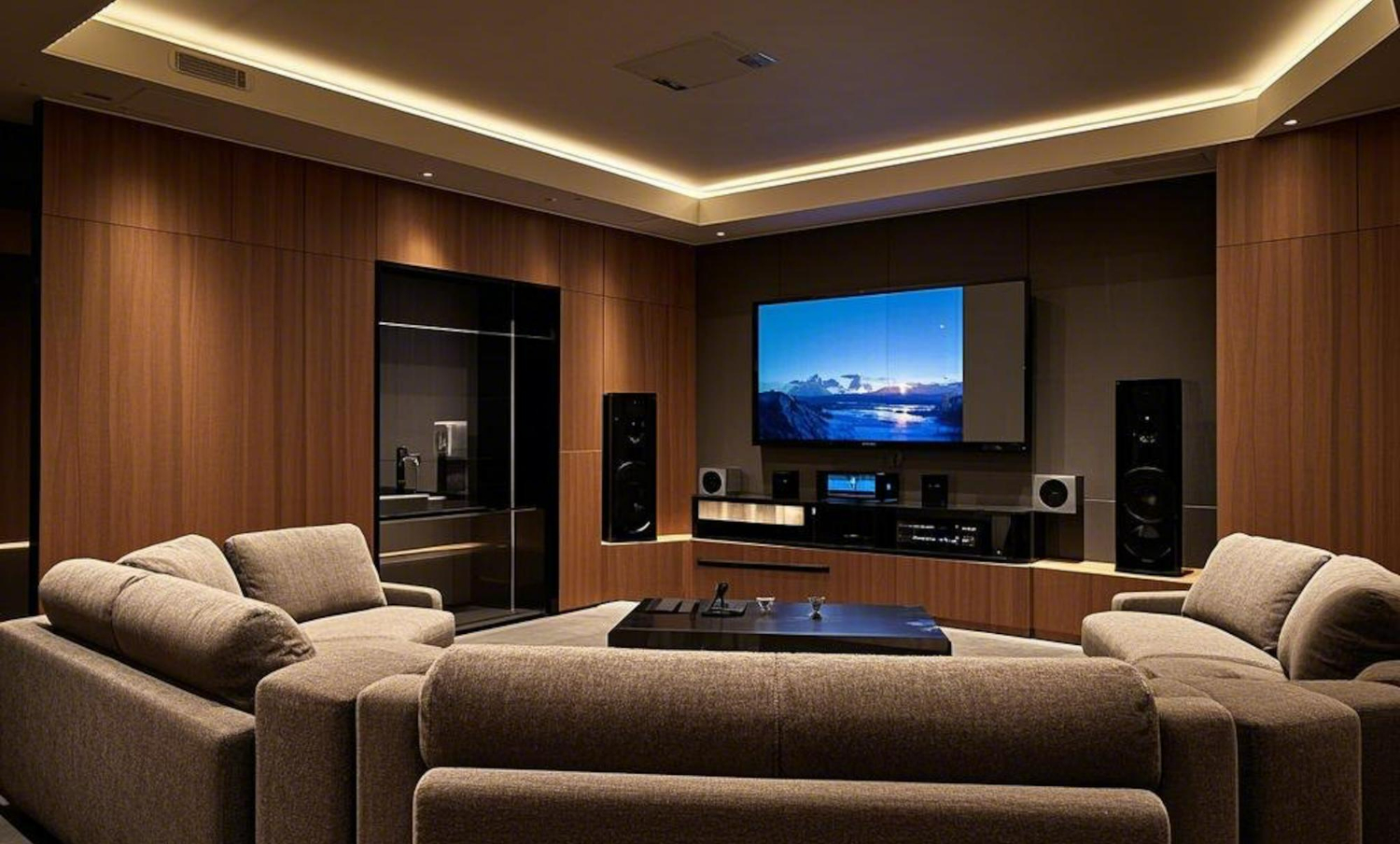
Wall-mounted televisions, media walls, games consoles, surround-sound systems, streaming devices, smart lighting, laptops and an ever-growing collection of chargers have transformed the way the space is used.
But while our living rooms have become smarter, the electrical installations behind them may not always have kept pace.
Electrical industry certification body NICEIC is urging homeowners to consider whether their home’s wiring, sockets and other electrical equipment remain suitable for the demands of modern living.
Living Rooms Are Working Harder Than Ever
The traditional distinction between living, working and entertainment spaces has become increasingly blurred.
Figures from YouGov cited by NICEIC suggest 30% of people now work either fully or partly from home. Meanwhile, 47% regularly eat dinner in front of the television.
For some households, that means the living room may function as an office during the day before becoming a gaming, streaming or family entertainment space in the evening.
The result isn’t necessarily that a living room consumes dramatically more electricity at any one moment. The bigger consideration can be the increasing complexity of the electrical installation and the number of devices dependent upon it.
This can be particularly relevant in older properties.
Much of Britain’s housing stock predates smart TVs, Wi-Fi-connected lighting, sophisticated entertainment systems and home working. Over the years, sockets, lighting and other electrical features may have been added or altered several times.
Paul Collins, Technical Director at NICEIC, said:
“The modern living room looks very different to the one many homes were originally built with. Homeowners are increasingly installing media walls, smart lighting, entertainment systems and home-working equipment, often alongside existing electrical installations that may already be decades old.
“It’s not necessarily about using more electricity in one room. It’s about the growing complexity of the electrical installation and our increasing dependence on it. When electrical systems have been added to or altered over many years, it’s important that the installation remains safe and suitable for how the home is used today.”
Media Walls Bring New Electrical Considerations
The popularity of media walls has created another consideration for homeowners renovating their living spaces.
A professionally designed media wall can conceal television cables, power supplies and connections, creating a much cleaner appearance than having wires and sockets visible around the television.
However, concealing electrical components behind finished surfaces means correct installation becomes particularly important.
Problems that might otherwise be immediately visible can potentially be harder to identify or access once wiring has been incorporated into a wall.
Paul added:
“Features such as media walls and built-in entertainment systems can hide electrical wiring behind finished surfaces, making it even more important that installation work is carried out correctly from the outset.
“Issues such as flickering lights, RCDs tripping, or damaged accessories shouldn’t be ignored. They can indicate underlying problems that should be assessed by a registered electrician before they develop into something more serious.”
Seven Electrical Warning Signs Homeowners Shouldn’t Ignore
NICEIC says homeowners should pay attention to changes in how their electrical installation behaves, rather than simply assuming an occasional problem is normal.
Warning signs can include:
- Circuit breakers or RCDs repeatedly tripping
- Fuses regularly blowing
- Lights that flicker or dim
- Buzzing sockets or switches
- Sockets that become warm or show signs of discolouration
- Visible damage to sockets or switches
- Heavy reliance on extension leads and multi-way adaptors
- Signs that concealed wiring or media-wall electrics have been poorly installed
Some of these issues may have relatively straightforward causes, but persistent or unexplained electrical problems should be investigated rather than ignored.
Are You Using Too Many Extension Leads?
Another clue that a living room’s electrics may no longer suit the way the room is being used is the number of extension leads and adaptors required.
A television might now be accompanied by a soundbar, games console, streaming box, router, smart-home hub and other equipment, while phones, tablets and laptops all need charging.
If there aren’t enough conveniently positioned sockets, it can be tempting to keep adding extension leads and multi-way adaptors.
For homeowners planning a major living room refurbishment or media wall, considering electrical requirements at the beginning of the project can help ensure there are enough appropriately positioned sockets and connections for both current and anticipated equipment.
When Should You Call an Electrician?
An electrical fault in today’s living room can cause considerably more disruption than simply losing the television.
For someone working from home, it could interrupt an important video meeting or prevent equipment from being used. A fault could also affect entertainment systems, internet equipment and connected smart-home devices.
More importantly, unusual behaviour from sockets, switches, lights or the consumer unit can warrant professional investigation.
NICEIC recommends using a registered electrician for electrical installation work, particularly when altering existing wiring or installing features involving concealed electrics.
Homeowners can search for a registered tradesperson through the NICEIC Find a Tradesperson service.
Further advice for householders is available from NICEIC’s home electrical safety guidance.
As living rooms become increasingly connected, planning the electrical side of a refurbishment may not be as exciting as choosing a new television, sofa or media wall. But making sure the installation behind those features is safe and appropriate for a modern home should be an important part of the project.
Source: NICEIC. Working-from-home and television statistics cited by NICEIC are from YouGov Great Britain, 12 April 2026.