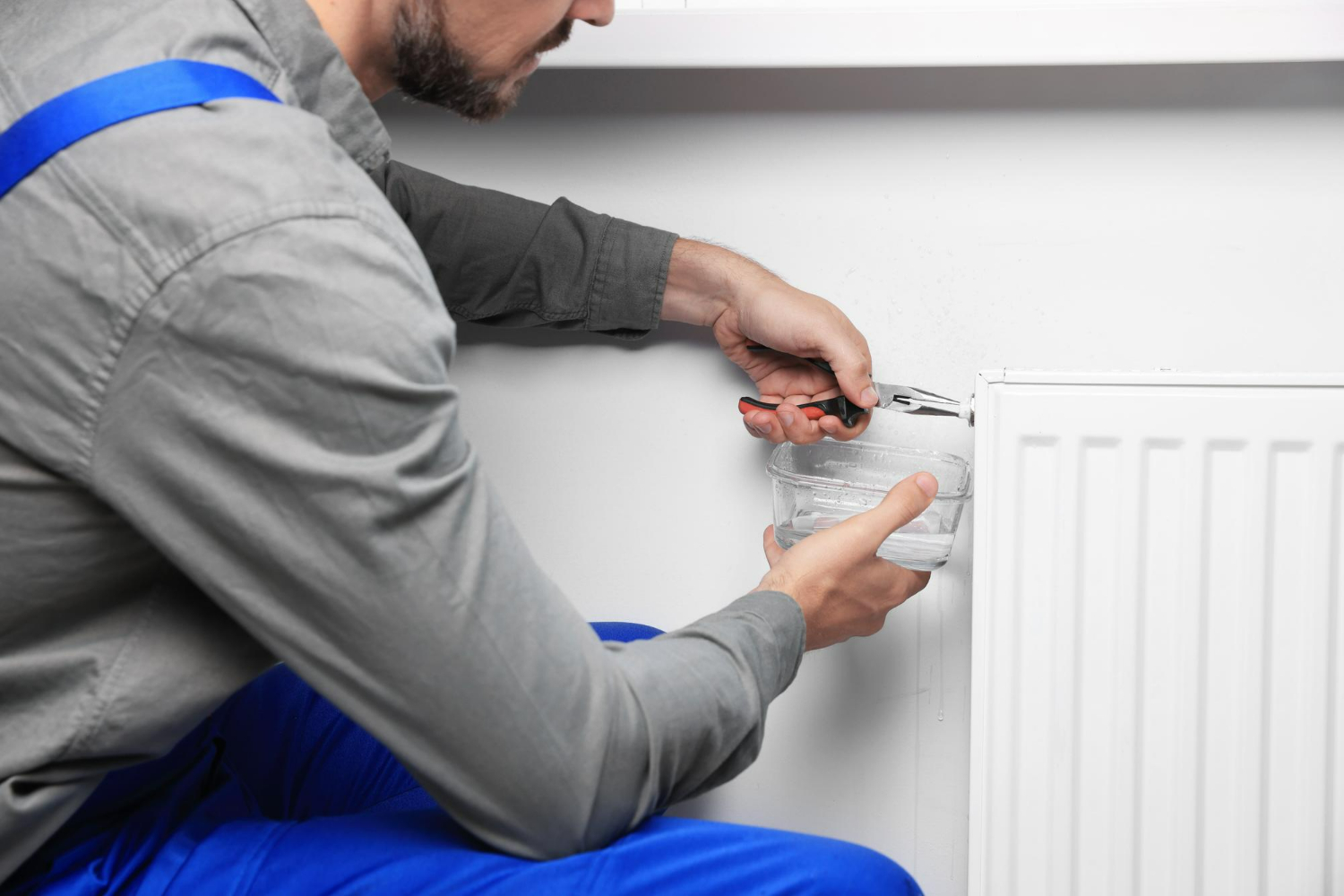
Searches for advice on bleeding radiators are beginning their predictable seasonal rise, but heating professionals are warning that reaching immediately for a radiator key could mean treating the wrong problem.
Five years of Google search data analysed by UK Radiators shows searches for “how to bleed a radiator” repeatedly climbing as temperatures fall and households switch their central heating back on.
Around 6,000 searches were recorded in the latest month, representing a 7% month-on-month increase, while previous winter peaks have exceeded 50,000 searches per month.
But while trapped air is a common cause of poorly performing radiators, it is far from the only explanation.
According to heating expert Rob Nezard of UK Radiators, one of the quickest diagnostic checks is simply establishing where the radiator feels cold.
He said:
“Bleeding a radiator is one of those jobs that suddenly comes to mind when people switch their heating back on and realise one of their radiators isn’t getting properly warm.
“But before you reach for the radiator key, feel where the radiator is actually cold. That can tell you a lot about what’s going on and whether bleeding it is likely to make any difference.”
Cold at the Top: Trapped Air Could Be the Problem
A radiator that heats towards the bottom but remains noticeably cooler at the top is one of the classic indications of trapped air.
Air entering a wet central heating system can accumulate within radiators, reducing the space available for circulating hot water and causing uneven heat distribution.
Nezard explained:
“The classic sign that a radiator needs bleeding is when the bottom is getting warm but the top remains noticeably colder.
“You might also hear gurgling, clunking or groaning noises when the heating comes on. These can be signs that air has become trapped inside the radiator.
“Bleeding releases that trapped air and allows the hot water to circulate more effectively.”
In this situation, correctly bleeding the radiator can restore circulation and allow a greater proportion of the surface to heat effectively.
Cold at the Bottom Could Indicate Sludge
The diagnosis changes considerably when the radiator is hot at the top but cold towards the bottom.
Instead of trapped air, this pattern can be associated with sludge and debris accumulating inside the radiator.
Nezard said:
“If the radiator is hot at the top but cold towards the bottom, don’t automatically bleed it. Cold patches at the bottom can be associated with a build-up of sludge or debris inside the radiator.
“That’s a different problem and repeatedly bleeding the radiator isn’t going to remove sludge.”
Sludge can develop within central heating systems as corrosion products and other debris accumulate in the circulating water.
Other potential warning signs include discoloured or brown water when a radiator is bled and unusual noises from the boiler or heating system.
Depending on the extent of the problem, the system or affected radiator may require flushing rather than bleeding.
A radiator that remains entirely cold could indicate something different again, including a problem with its valves, circulation or the balancing of the heating system.
Autumn Is a Good Time to Test Heating Systems
Rather than waiting until the first prolonged spell of cold weather, households are being encouraged to test central heating systems during early autumn.
That gives homeowners, landlords and property professionals an opportunity to identify problems before heating is required every day.
Nezard said:
“Early autumn is a sensible time to test your heating rather than waiting until the first really cold week.
“Turn the heating on and give the system enough time to warm up. Then carefully check each radiator for uneven temperatures and listen for any unusual gurgling.
“If you’ve identified a radiator that’s warm at the bottom but cold towards the top, that’s when bleeding it may be appropriate.
“Once you’ve identified which radiators need attention, switch the heating off and allow the radiators to cool completely before you start.”
Six Radiator Bleeding Mistakes to Avoid
While bleeding a radiator is a relatively straightforward maintenance task, there are several common mistakes that can create problems.
1. Bleeding a radiator while it is hot
Radiators should be allowed to cool before the bleed valve is opened.
Nezard said:
“Never start bleeding a radiator you’ve just had running at full temperature. Switch the heating off and let the radiator cool completely first. You don’t want hot water escaping when you open the valve.”
The heating can initially be run to identify the problem radiator, but should then be switched off before work begins.
2. Assuming every cold radiator needs bleeding
The position of the cold area is important.
Nezard explained:
“Where the radiator is cold matters. Cold at the top can suggest trapped air. Cold at the bottom can point towards sludge. If the whole radiator isn’t heating, you could be looking at a different issue entirely.
“Bleeding isn’t a universal fix for a radiator that won’t get warm.”
3. Opening the bleed valve too far
Only a small movement of the valve is normally necessary to release trapped air.
“You don’t need to completely open the valve. A quarter to half turn should be enough to allow trapped air to escape.
“You’ll usually hear a hissing noise. Once that stops and water begins to appear, close the valve again.”
Completely opening the bleed valve can allow water to escape much more quickly than necessary.
4. Starting without a towel and container
Some water will normally follow once the trapped air has escaped.
“It sounds obvious, but have a towel and small container ready before you touch the valve.
“Once the air has escaped, water follows, and that’s not the point at which you want to start searching the house for an old towel.”
5. Failing to check boiler pressure afterwards
Bleeding radiators can affect the pressure within a sealed heating system.
Nezard said:
“Once you’ve finished, check your heating system’s pressure and compare it with the manufacturer’s recommended level.
“Bleeding releases air and some water from the system, so on a pressurised system you may need to top the pressure back up afterwards. Don’t simply keep adding pressure without understanding why it is dropping, though.”
Repeated pressure loss can indicate another fault and should not simply be addressed by continually repressurising the system.
6. Continually bleeding the same radiator
A radiator requiring frequent bleeding may indicate an underlying problem elsewhere in the system.
“If you’re constantly having to bleed the same radiator, don’t just make it part of your weekly routine.
“Likewise, if you’ve bled it correctly and it’s still cold, don’t keep opening the valve hoping it’ll eventually work. Persistent problems can indicate something else is going on within the heating system and may need further investigation.”
Diagnose Before Reaching for the Radiator Key
For builders, heating engineers, landlords and homeowners preparing properties for winter, the key message is that radiator temperature patterns can provide useful initial clues about the condition of a heating system.
Cold at the top can point towards trapped air, while cold areas towards the bottom may indicate sludge. A completely cold radiator could require investigation of valves, system balancing or circulation.
Persistent air, pressure loss, cold spots or unusual boiler behaviour may also justify professional investigation rather than repeated DIY intervention.
Nezard added:
“The easiest thing homeowners can remember this winter is simply: check where it’s cold before you bleed it.
“A few seconds feeling the radiator can help you work out whether trapped air is the likely problem or whether you need to look elsewhere.”
The research was conducted by UK Radiators using Google search behaviour data from Glimpse covering the search term “how to bleed a radiator” over a five-year period.
—
Image: Magnific