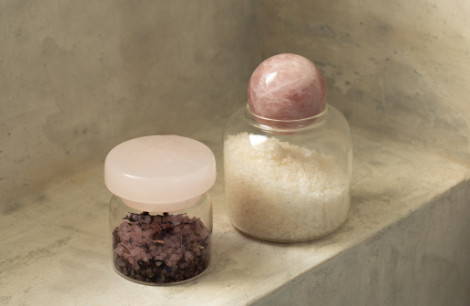
For decades, storage was treated as a purely functional necessity. It existed behind closed doors, tucked away inside cupboards and utility rooms, designed to hide possessions rather than contribute to the experience of a home.
Today, that relationship is beginning to change.
Across contemporary interiors, a growing number of homeowners are placing greater emphasis on environments that feel calm, intentional and visually restorative. As a result, organisation is increasingly becoming part of the design conversation itself rather than simply a practical task.
Perhaps nowhere is this more visible than within kitchens and pantry spaces. Once considered purely utilitarian areas, they have evolved into highly curated environments where materials, objects and daily rituals are carefully considered. Glass vessels, open shelving and thoughtfully organised ingredients have become as much a part of the aesthetic language of a home as furniture, lighting or artwork.
This shift reflects a broader change in how people relate to their living spaces. Rather than viewing organisation as a process of hiding clutter, many are beginning to see it as an opportunity to create visual clarity. The objects used to organise a home are no longer expected to disappear. Instead, they are increasingly designed to remain in sight.
The popularity of open-plan living has accelerated this trend. As kitchens become more connected to dining and living areas, every object within the space becomes part of the overall visual experience. Storage containers, serving vessels and everyday accessories are now expected to perform both functional and aesthetic roles.
Materiality plays an important part in this evolution. Natural stone, glass, timber and other tactile materials introduce a sense of permanence and craftsmanship that elevates everyday objects beyond utility. When storage is made from materials traditionally associated with furniture, architecture or decorative objects, it becomes easier to view it as part of the interior itself rather than simply a tool.
At the same time, there is growing awareness of the relationship between our surroundings and wellbeing. While organisation alone cannot create calm, a thoughtfully arranged environment can reduce visual noise and help a space feel more intentional. In an increasingly busy world, many homeowners are seeking interiors that offer a sense of order without feeling clinical or overly minimal.
This may explain why some of the most influential interior trends of recent years have focused not on acquiring more possessions, but on creating better relationships with the objects we already own. The goal is no longer simply to store things efficiently, but to integrate them into the home in a way that feels considered and visually harmonious.
As design continues to move towards simplicity, longevity and intentional living, storage is likely to become one of the most interesting categories within the home. The future of organisation may not be about hiding everyday objects away, but about designing them beautifully enough to deserve a place in sight.
About the Author
Jessica Roj is the founder of BEKUNST, a British design studio creating sculptural storage objects crafted from borosilicate glass and natural pink onyx. Her work explores the relationship between organisation, materiality and contemporary living.