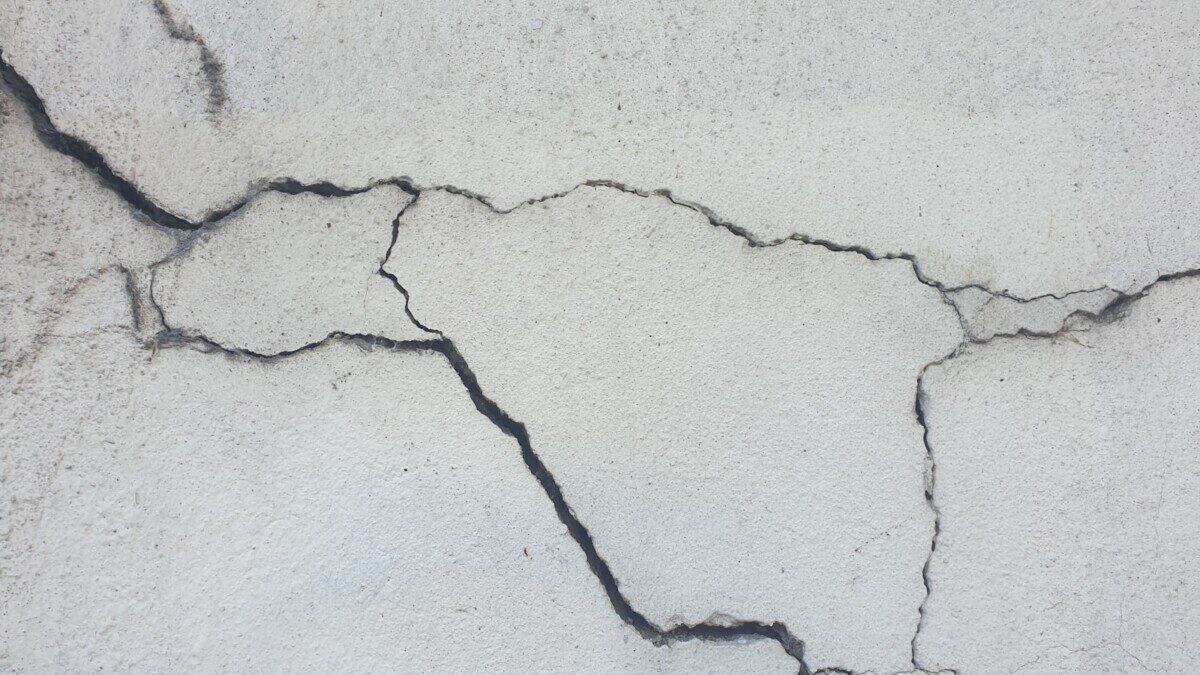
With a record-breaking heatwave baking the ground, experts say the dry weather can trigger subsidence, and brick homeowners should know the warning signs to look for
As a record-breaking heatwave grips the UK, brick homeowners are being urged to keep an eye on their walls, because the dry weather can do more damage than you might think.
The culprit is the ground beneath your home. Prolonged hot, dry weather is a major contributing factor to subsidence, in which the ground beneath a property loses moisture and sinks, causing structural problems. The effect is worst on clay soil, which shrinks as it dries out, and large areas of England and Wales, particularly London and the south east, sit on exactly that kind of ground.
It is a bigger problem than many realise. Houses built on shrink-swell clay soil are the most likely to be affected, with over 70% of domestic subsidence claims estimated to come from clay shrinkage. And the damage spikes in hot, dry years. After the record heat of 2022, UK insurers expected to pay out around £219 million across 23,000 subsidence claims, the highest in 16 years, with the majority, some 18,000, made in the second half of the year following the summer heatwave.
And it is getting worse. Following 2025, the UK’s hottest summer on record, domestic subsidence payouts hit a record high of £307 million, according to the Association of British Insurers, a 10% rise on the year before.
The warning signs to look for
The good news is that subsidence usually gives you clues, and catching it early can save a fortune. The clearest sign is a particular type of crack. Surveyors say to look for jagged, diagonal or stepped cracks that follow the mortar joints in a staircase pattern, typically wider at the top than the bottom, and anything wider than 3mm, roughly the width of a pound coin, is worth getting checked.
Other tell-tale signs include doors and windows that suddenly start to stick or jam as the frames shift, cracks appearing where an extension meets the main house, and gaps opening up around skirting boards. Subsidence cracks tend to appear suddenly, especially after a long dry spell, and are usually diagonal or look like steps in the brickwork.
Not every crack is a disaster, though. Fine hairline cracks are extremely common and usually harmless, so the key is the size, shape, and whether a crack is growing over time.
What you can do
Trees and large shrubs are a major factor, because their roots draw moisture out of the soil. Mature trees may remove more than 50,000 litres of water from the ground each year, and those within 30 metres of your home can cause problems, so keeping them well maintained helps.
Luke Clarke, spokesperson for reclaimed brick experts The Reclaimed Brick Company, said: “Brick is one of the most durable and forgiving building materials there is, which is exactly why so many of our homes have stood for a hundred years or more. Even when the ground moves in weather like this, brickwork can very often be repaired, so the key message for homeowners is not to panic.
“What matters is catching any movement early. If you spot new cracks in your brickwork, it is worth photographing them with a coin next to them so you can track whether they are growing, and if they are, have your insurer or a structural engineer take a look. More often than not, the movement turns out to be minor.
“And if any brickwork does need replacing, it really pays to match it properly. That is where reclaimed brick comes in. Using brick of the same age and character means a repair blends in seamlessly, rather than leaving an obvious modern patch, and it keeps the charm of an older home intact while saving perfectly good materials from going to waste.”
When to act
If you spot a crack that is growing, wider than a pound coin, or paired with sticking doors and windows, contact your buildings insurer, which can arrange for a structural engineer to assess it. Subsidence is usually covered by buildings insurance, though it typically carries a higher excess. Most cases are resolved without drastic measures, and underpinning is very much a last resort.
As a record-breaking heatwave grips the UK, brick homeowners are being urged to keep an eye on their walls, because the dry weather can do more damage than you might think.
The culprit is the ground beneath your home. Prolonged hot, dry weather is a major contributing factor to subsidence, in which the ground beneath a property loses moisture and sinks, causing structural problems. The effect is worst on clay soil, which shrinks as it dries out, and large areas of England and Wales, particularly London and the south east, sit on exactly that kind of ground.
It is a bigger problem than many realise. Houses built on shrink-swell clay soil are the most likely to be affected, with over 70% of domestic subsidence claims estimated to come from clay shrinkage. And the damage spikes in hot, dry years. After the record heat of 2022, UK insurers expected to pay out around £219 million across 23,000 subsidence claims, the highest in 16 years, with the majority, some 18,000, made in the second half of the year following the summer heatwave.
And it is getting worse. Following 2025, the UK’s hottest summer on record, domestic subsidence payouts hit a record high of £307 million, according to the Association of British Insurers, a 10% rise on the year before.
The warning signs to look for
The good news is that subsidence usually gives you clues, and catching it early can save a fortune. The clearest sign is a particular type of crack. Surveyors say to look for jagged, diagonal or stepped cracks that follow the mortar joints in a staircase pattern, typically wider at the top than the bottom, and anything wider than 3mm, roughly the width of a pound coin, is worth getting checked.
Other tell-tale signs include doors and windows that suddenly start to stick or jam as the frames shift, cracks appearing where an extension meets the main house, and gaps opening up around skirting boards. Subsidence cracks tend to appear suddenly, especially after a long dry spell, and are usually diagonal or look like steps in the brickwork.
Not every crack is a disaster, though. Fine hairline cracks are extremely common and usually harmless, so the key is the size, shape, and whether a crack is growing over time.
What you can do
Trees and large shrubs are a major factor, because their roots draw moisture out of the soil. Mature trees may remove more than 50,000 litres of water from the ground each year, and those within 30 metres of your home can cause problems, so keeping them well maintained helps.
Luke Clarke, spokesperson for reclaimed brick experts The Reclaimed Brick Company (https://reclaimedbrickcompany.co.uk/collections/brick-slips), said: “Brick is one of the most durable and forgiving building materials there is, which is exactly why so many of our homes have stood for a hundred years or more. Even when the ground moves in weather like this, brickwork can very often be repaired, so the key message for homeowners is not to panic.
“What matters is catching any movement early. If you spot new cracks in your brickwork, it is worth photographing them with a coin next to them so you can track whether they are growing, and if they are, have your insurer or a structural engineer take a look. More often than not, the movement turns out to be minor.
“And if any brickwork does need replacing, it really pays to match it properly. That is where reclaimed brick comes in. Using brick of the same age and character means a repair blends in seamlessly, rather than leaving an obvious modern patch, and it keeps the charm of an older home intact while saving perfectly good materials from going to waste.”
When to act
If you spot a crack that is growing, wider than a pound coin, or paired with sticking doors and windows, contact your buildings insurer, which can arrange for a structural engineer to assess it. Subsidence is usually covered by buildings insurance, though it typically carries a higher excess. Most cases are resolved without drastic measures, and underpinning is very much a last resort.