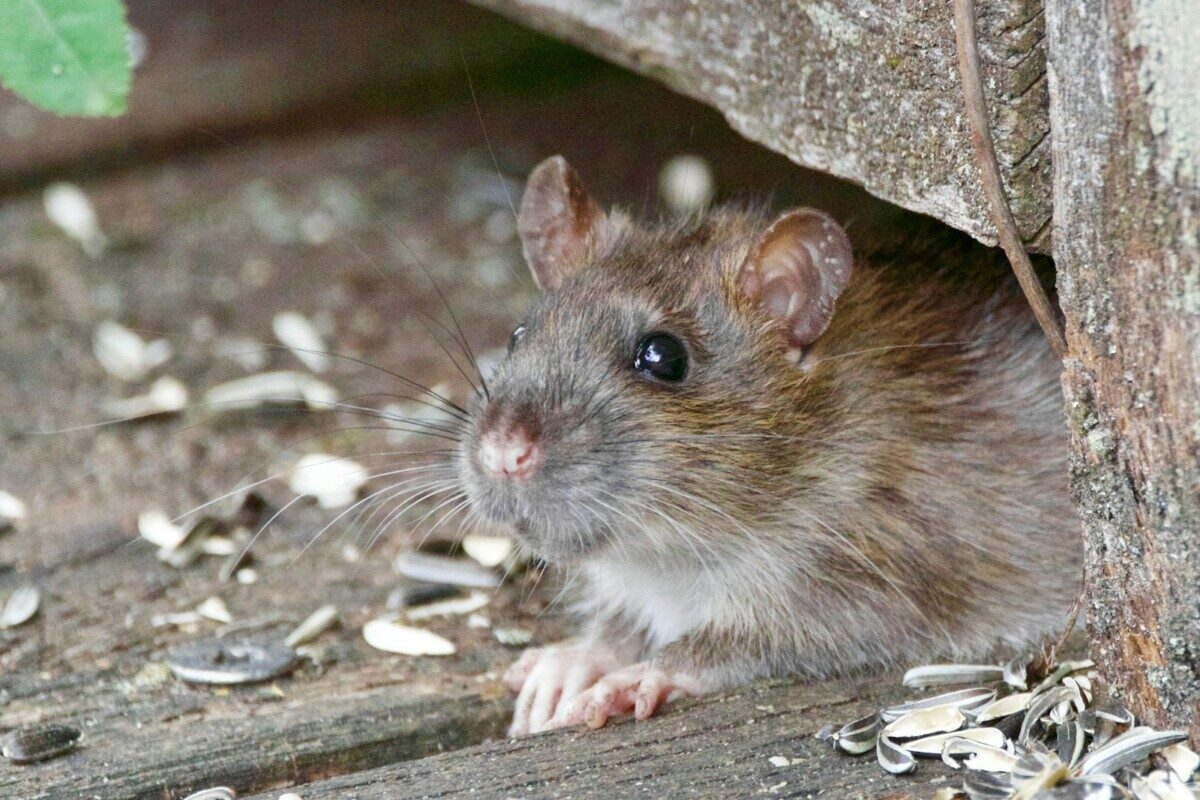
Searches for “rat trap” have reached 32,000 in the past month in the UK, rising 13% month-on-month, as households look for ways to deal with unwanted rodent activity
Searches for “rat trap” have risen by 13% in the past month, with 32,000 searches recorded in the last 30 days, according to search data analysed by Rainbow Rubbish Removals.
The rising interest suggests more UK households are actively looking for ways to deal with rats, but a rubbish removal expert is warning that prevention often starts much earlier than buying a trap.
Miroslav Radov, rubbish removal expert at Rainbow Rubbish Removals, says rats are not always attracted by obvious mess or overflowing bins. In many cases, they are drawn in by everyday household habits people rarely connect with rodent activity.
From fallen bird seed and pet food to barbecue grease, cluttered sheds and poorly stored recycling, small waste habits can quietly create the perfect conditions for rats to find food, shelter and warmth.
Miroslav from Rainbow Rubbish Removals said:
“Searches for rat traps rising shows people are noticing the problem and trying to act, but traps are often a reaction to something that has already started.
“What many people do not realise is that rats do not need a home to be filthy to become interested in it. They are looking for three things: food, warmth and somewhere safe to hide. If your garden, shed, bin area or outdoor space gives them any of those, they may come closer.
“This is not about frightening people. Rats are common, especially in towns and cities, and many households will deal with them at some point. The important thing is to remove the things that make your property attractive to them before it becomes a bigger issue.”
The things you may not realise are attracting rats
1. Bird feeders and fallen seed
Bird feeders are one of the most overlooked rat attractors because people naturally see them as a good thing for wildlife.
Miroslav said:
“Bird feeders are lovely for birds, but the seed that drops underneath can become a regular food source for rats. If the same spot is providing food every day, rats will learn to come back.
“The feeder itself is not always the problem. It is the build-up underneath it.”
Households should sweep under feeders regularly, use seed trays and avoid placing feeders too close to sheds, walls, decking or thick shrubs.
2. Pet food left outside
Pet bowls, dry food bags and leftover treats can all attract rats, particularly when left outdoors overnight.
Miroslav said:
“Rats have a strong sense of smell. A dog bowl with a few leftovers in it, or a torn bag of pet food in the garage, can be enough to draw them in.
“Pet food should be treated like human food waste. If it is accessible, it can attract pests.”
Pet food should be stored in sealed containers, kept off the floor where possible, and outdoor bowls should be brought in once pets have finished eating.
3. Compost bins with the wrong waste
Compost bins can become a problem when they contain cooked food, meat, dairy, bread or oily leftovers.
Miroslav said:
“A well-managed compost bin is not the enemy, but the wrong food waste in it can create smells that attract rats.
“Cooked leftovers, meat, dairy and bread are the things people need to be especially careful with. Once those smells build up, it becomes much more tempting for rodents.”
Compost bins should be secure, covered and used mainly for garden waste, fruit and vegetable scraps.
4. Cluttered sheds and garages
Rats are not only looking for food. They are also looking for quiet, sheltered places where they can hide.
Miroslav said:
“A cluttered shed is perfect for rats because it gives them cover. Old cardboard, fabric, broken furniture, bin bags and forgotten garden items can all create nesting spots.
“The more undisturbed an area is, the more appealing it becomes.”
Households should clear old rubbish, store items in lidded plastic boxes and check behind shelving, appliances and stacked furniture.
5. BBQ grease and outdoor eating areas
Summer eating can leave behind food traces people miss, especially on patios, decking and around garden furniture.
Miroslav said:
“People clear the plates and wipe the table, but they often forget the grease tray, crumbs under decking or dropped food behind outdoor furniture.
“To a rat, even small amounts of grease or food are worth coming back for.”
Barbecues should be cleaned after use, grease trays emptied and outdoor eating areas swept before nightfall.
6. Overflowing recycling
Recycling can still attract rats if tins, takeaway boxes, yoghurt pots or food packaging are not rinsed properly.
Miroslav said:
“Recycling is often forgotten because people do not see it as rubbish in the same way, but food residue still smells.
“Empty cans, containers and packaging can all attract rats if they are piled up, left loose or not rinsed.”
Rinsing packaging and keeping recycling areas tidy can help reduce the risk.
7. Overgrown gardens and hidden gaps
Long grass, dense shrubs, stacked wood, broken fencing and gaps around sheds can give rats safe routes around a property.
Miroslav Radov, rubbish removal expert at Rainbow Rubbish Removals says:
“Rats do not like being exposed. If your garden gives them cover, they can move around without being easily seen.
“Overgrown borders, piles of waste and gaps near sheds or decking can all make it easier for them to settle nearby.”
How to deter rats before it becomes a bigger issue
The best approach is prevention, not panic.
He recommends:
- Keeping food waste in sealed bins with secure lids
- Avoiding loose bin bags on the floor
- Cleaning up fallen bird seed, pet food and barbecue grease
- Rinsing recycling before storing it
- Clearing sheds, garages and garden corners
- Removing old cardboard, fabric and broken furniture
- Checking for gaps around decking, sheds, pipes and fencing
- Booking a proper rubbish or garden clearance if waste has built up
Miroslav added:
“People should not feel embarrassed if they spot signs of rats. They are incredibly good at finding small opportunities, and it does not always mean someone has done something wrong.
“But once you understand what attracts them, you can make simple changes. If something gives rats food, warmth or somewhere to hide, remove it. A tidy garden, sealed bins and clear outdoor areas can make a much bigger difference than people realise.”
Signs rats may be visiting your property
Households should look out for:
- Droppings around bins, sheds or garages
- Scratching sounds, especially at night
- Chewed packaging, wood or wiring
- Small holes near fences, sheds or decking
- Greasy marks along walls or skirting boards
- A strong, unpleasant smell in enclosed areas
Miroslav concludes:
“If you notice signs, do not ignore them and hope they disappear. Remove obvious food sources, clear clutter and speak to a pest control professional if you suspect an active infestation.
“Rubbish removal can help reduce the conditions that attract rats, but if they are already inside the property, pest control should be involved too.”