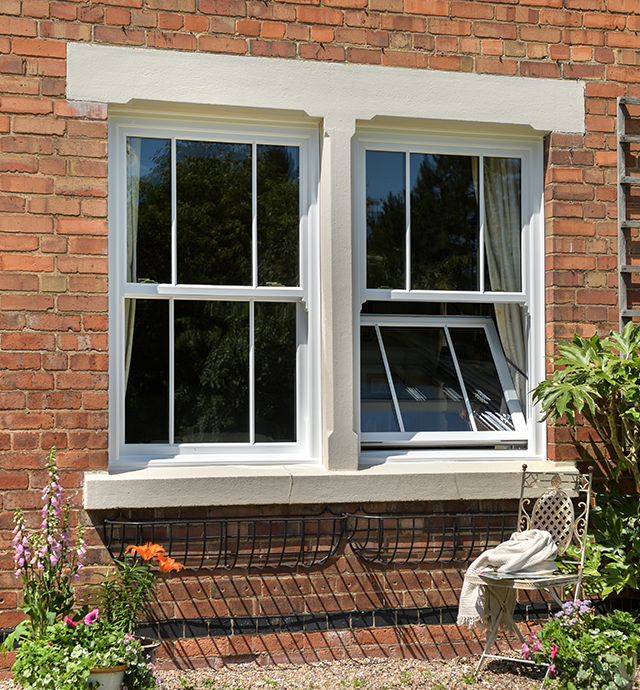
With the central heating notched up to beat the cold, you might start noticing windows getting steamier and even pesky dark mould creeping in around your frames.
It could be tempting to follow the latest tips from cleaning influencers on social media who will be sharing their quick fix home hacks that promise to restore windows to their former glory in less than a minute, but does putting salt on your windowsills actually stop condensation? Can a humble potted plant really defeat mould?
Home improvement expert Caroline Mills, Head of Brand at Safestyle, calls out shenanigans on the home “hacks” that are more myth than magic. Here she exposes the five old wives’ tales that don’t work and, instead, offers some dead simple, practical advice that does:
Cat litter socks absorb all the moisture
The idea here is that filling socks with cat litter and placing them on windowsills will absorb moisture and solve damp problems.
“Cat litter might soak up a little moisture,” Caroline explains, “but it’s nowhere near enough to tackle a damp room. It’s like trying to mop up a flood with a sponge, it’s just not going to cut it.”
The real fix
Instead of relying on cat litter, Caroline suggests focusing on proper insulation and ventilation. “Improving insulation around cold window frames can make a big difference,” she says. “And don’t forget to check your trickle vents; if they’re blocked, unblock them. For serious moisture issues, a dehumidifier is the way to go.”
Bleach fixes mould on walls
Bleach is often touted as a quick fix for mould, with claims that it removes the black spots and stops the problem from coming back.
“Bleach might make the mould look like it’s gone,” Caroline says, “but it doesn’t solve the problem. It only removes the black colour on the surface. Mould grows deep into porous surfaces, and if you don’t treat it properly, it’ll just come back.”
The real fix
Caroline recommends using mould and mildew sprays, which you can buy at most hardware stores. “These treatments penetrate the surface and actually kill the mould,” she explains. “Once you’ve treated the area, make sure it’s completely dry. And most importantly, fix the root cause of the moisture, whether it’s a leak, cold bridging, or poor airflow.”
Putting white vinegar on windows will stop condensation
You may be familiar with using lemon or white vinegar as a trusty cleaning solution, and there’s no doubt in this scenario they work. However, it’s also said to creates a temporary film that reduces droplet formation, making windows clearer and preventing mould. “For this to work you’d need to be reapplying weekly, what’s more the vinegar can leave a lingering odour, which means this is more hassle than it’s worth,” Caroline says, “It’s also important to remember it doesn’t fix the root of the problem either, it’s just not practical.”
The real fix
According to Caroline, ventilation is the most effective way to tackle condensation. “Open your windows for five to ten minutes a day for what we call ‘shock ventilation’,” she advises. “Bedrooms can be some of the worst offenders, so once you’re up in the morning open the window before you head into the bathroom. Extractor fans in bathrooms and kitchens are also essential and make sure your trickle vents are open and working properly. These simple steps can make a huge difference.”
Charcoal bricks keep the room dry
Some people believe that keeping your windows closed all day will help retain heat and keep your home warmer.
“While it might seem logical, keeping your windows closed all the time can actually trap cold, damp air inside,” Caroline explains. “Opening your windows for a short period each day allows fresh air to circulate, which can help warm your home more effectively by reducing dampness and improving air quality.”
The real fix
For a real solution, Caroline suggests combining proper ventilation with high-quality double glazing. “Safestyle double glazing is specifically designed to retain the maximum amount of heat in your home while providing excellent thermal insulation,” she says. “This way, you can enjoy a warm, energy-efficient home without sacrificing comfort.”
Certain houseplants prevent mould
There’s a popular belief that placing certain houseplants, like ferns, peace lilies, or aloe plants, near a damp window can stop mould from forming.
“While plants can slightly improve air quality, they don’t remove enough moisture to prevent mould,” Caroline explains. “In fact, overwatering your plants can increase humidity and make the problem worse. And don’t forget, the soil in plant pots can grow mould too.”
The real fix
Caroline emphasises the importance of ventilation and moisture control. “With so many ‘home hacks’ available it can be easy to forget the basics that really do work! Open your windows, use extractor fans, and make sure your trickle vents are unblocked,” she advises. “If you have a particularly damp area, a dehumidifier can help. And don’t forget to wipe condensation off your windows daily and treat any mould with a proper mould and mildew spray.”
When it comes to keeping your home dry and mould-free, forget the myths and stick to what works. As Caroline puts it, “At Safestyle, we believe in practical solutions that get the job done. If you’re stuck, talk to one of our experts as it may be time for you to replace your windows with some that are designed to insulate, ventilate, and protect your home, without the mess.”