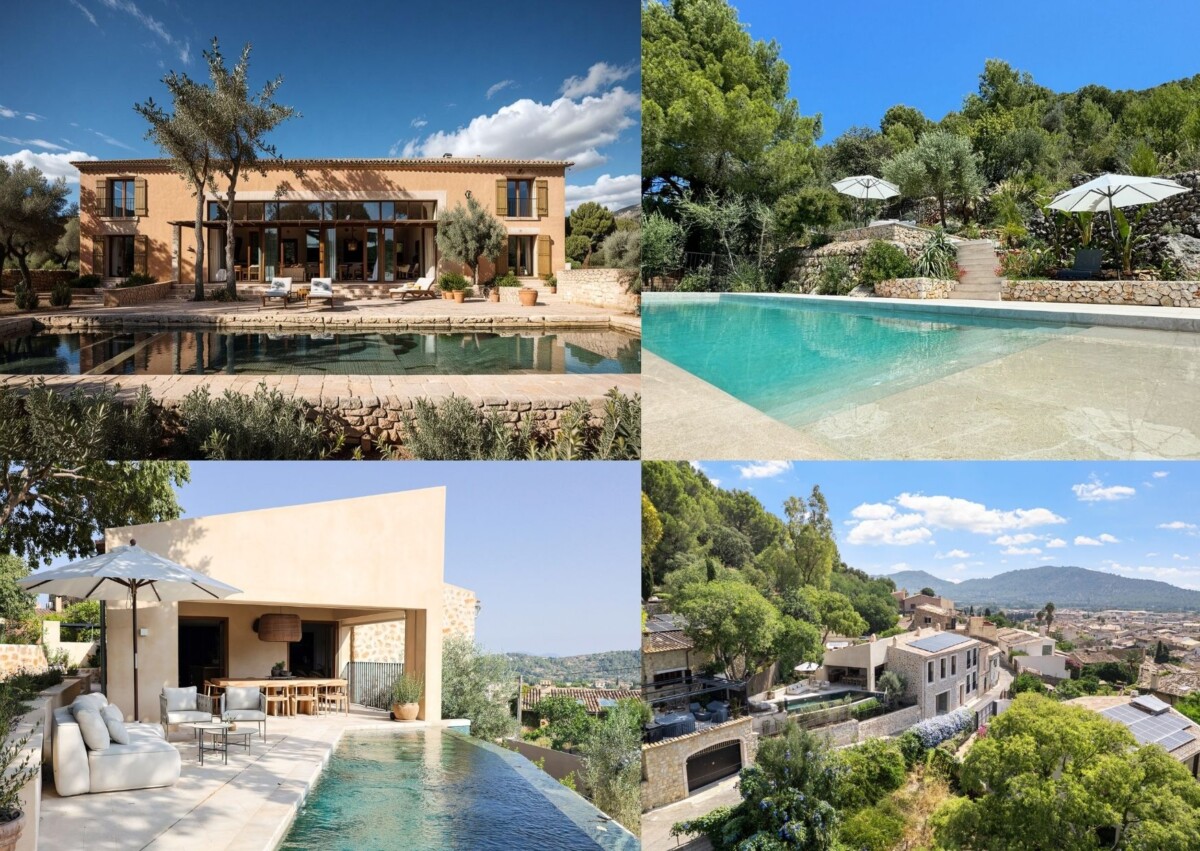
Mallorca’s property market is undergoing a quiet but profound transformation. Once dominated by second-home buyers focused on coastal hotspots, the island is now attracting a new wave of international residents seeking something deeper: long-term quality of life, connection to nature, and homes designed to live in rather than simply escape to.
According to integrated design and build practice Coertze & Clacher, this shift is redefining not only where people buy, but how homes are conceived, designed and delivered.
Beyond the Hotspots: A New Geography of Demand
Traditional luxury enclaves still hold appeal, but increasing numbers of buyers are looking inland. Rural villages and quieter regions are drawing interest from remote workers and families who value space, privacy and authenticity over proximity to tourist hubs.
“These buyers want homes that grow naturally from the landscape,” explain Coertze & Clacher, whose projects are rooted in local materials, craftsmanship and respect for Mallorca’s heritage. “They’re looking for a sense of belonging rather than a postcard view.”
From Holiday Homes to Real Homes
The most significant shift is psychological. International buyers are no longer approaching Mallorca with a purely holiday mindset. Many are relocating permanently or splitting their time between countries while working remotely.
As a result, priorities have changed. Homes must support daily life: space for work, wellness, hobbies and family living. Peaceful residential settings now take precedence over short-term rental potential, while thoughtful layouts, storage, and outdoor living areas are essential.
The Importance of a “Soft Landing”
For those moving from abroad, ease of transition is critical. Buyers seek locations with strong infrastructure, international schools, English-speaking services and straightforward airport access. Areas surrounding Palma, along with established residential zones such as Santa Ponsa, Portals, Andratx and Marratxí, continue to attract families looking for stability and community.
This desire for a seamless move has also driven demand for turn-key home, properties that are newly built or fully renovated, allowing buyers to avoid the complexity of managing construction in a foreign country.
Wellness, Nature and the Outdoor Life
Mallorca is increasingly viewed as a place to feel better, not just live well. Proximity to nature, from hiking and cycling routes to sea views and gardens, has become central to purchasing decisions.
Outdoor kitchens, terraces, landscaped gardens and spaces that blur the boundary between inside and out are now considered essential. Privacy, sunlight and calm are key components of this new luxury, reflecting a broader cultural shift toward wellbeing.
Authenticity Over Excess
Perhaps most telling is the move away from highly touristic environments. Today’s buyers are drawn to local villages, traditional markets and a slower, more grounded pace of life.
Coertze & Clacher’s philosophy aligns closely with this trend. Founded by Francois and Jess Coertze alongside Rachel and David Clacher, the practice integrates acquisition, concept, construction, interiors, landscaping and long-term management, ensuring homes are not only beautiful, but meaningful and enduring.
Their work blends contemporary architecture with traditional craftsmanship and sustainability, while actively supporting affordable housing initiatives across the island. For them, true luxury is not about excess, but responsibility, beauty that gives back to both people and place.
The Future of Property in Mallorca
As Mallorca continues to attract a globally minded yet values-driven audience, the island’s property market is evolving toward authenticity, longevity and purpose-led design.
Homes are no longer statements; they are sanctuaries. And as Coertze & Clacher demonstrate, the future of luxury in Mallorca lies in creating spaces that honour the land, support community, and enhance everyday life.