Experts have issued guidance on accident hotspots that parents and caregivers need to be aware of. Around 2 millionchildren under 15 are taken to A&E in the UK each year due to accidents which take place in and around the home, with kitchens and staircases being the most dangerous spaces. Whilst some accidents might be minor mishaps that children bounce back from, others are more serious, with lasting or in some cases, fatal consequences.
It’s during school holidays or rainy weekends where kids tend to spend more time than usual at home indoors; and with this comes a greater risk. So, to help, Jackson Woodturners has teamed up with household and parenting experts to share practical, easy-to-follow advice for parents and caregivers
Six children’s safety tips for the home:
-
Control the environment, not the child
Lindsay Snow, coach and child safety expert at Understanding Kids said,
“If we want kids to follow our instructions when it comes to safety, we need to cut down the background noise of constant “be carefuls” and “don’ts.” Kids quickly learn to tune out these warnings, or test whether we truly mean them. By creating a safe space, you can have fewer rules, and the ones you do have are more likely to be respected and followed.”
-
Watch out for falling furniture
Lucie Levesley, parent and director at Jackson Woodturners said,
“Heavy furniture should always be fixed to the wall, particularly tall items like chests of drawers, bookcases, and TV units. Children can easily pull out drawers or attempt to climb them, causing the weight distribution to change and topple over.
“It takes only a few minutes to fit anti-tip, anchoring straps or brackets, but doing so can prevent serious and in some cases, fatal injury.”
-
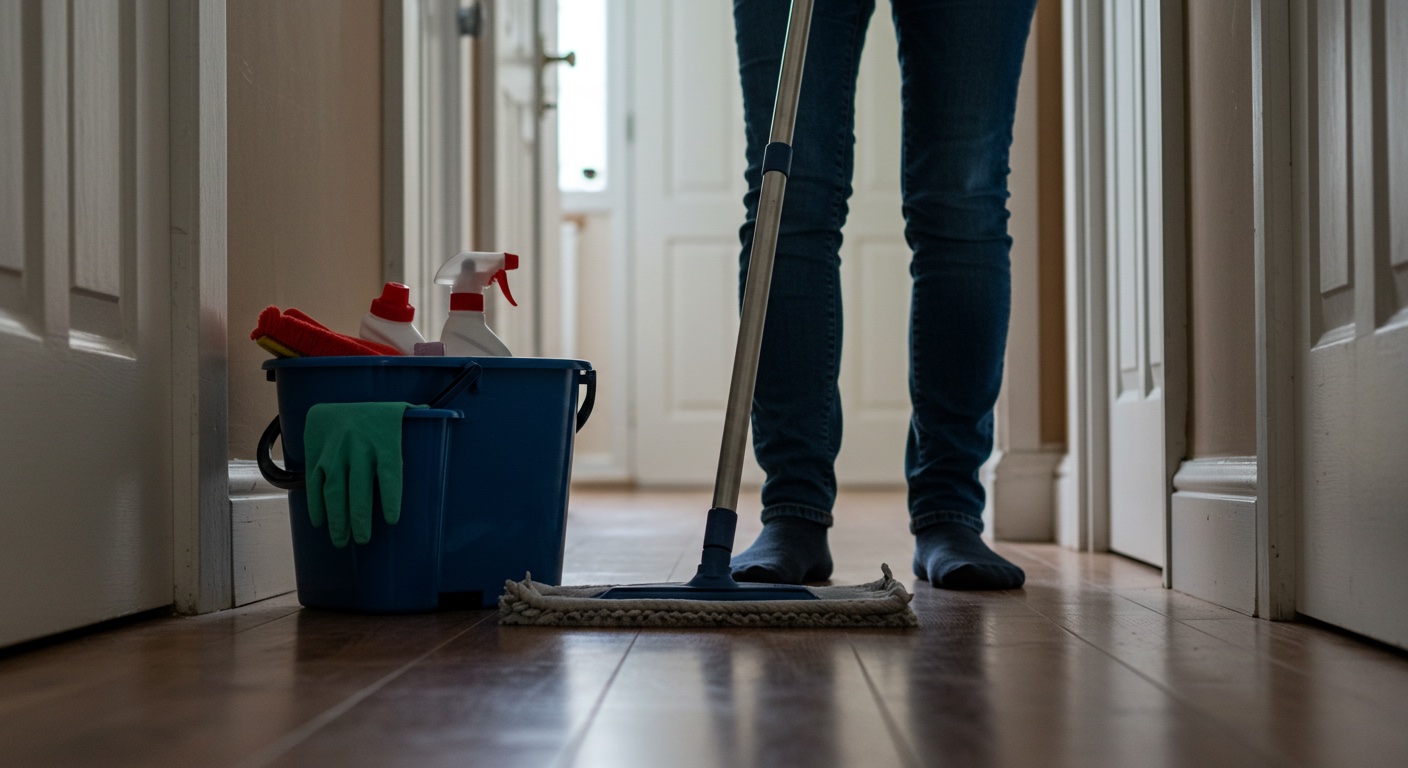
Consider access to cleaning products
Georgina Shepherd, cleaning expert at Housekeep said,
“Always keep cleaning products, even natural ones, locked away or on high shelves, ideally in a cupboard with a child safety latch. Even natural or ‘eco-friendly’ products can be dangerous if swallowed, and their bright packaging can easily catch a child’s eye.”
In addition, she advises taking care whilst actually cleaning too, Georgina said,
“If you’re doing a summer deep clean while the kids are home, be mindful not to leave buckets of soapy water, spray bottles, or open containers unattended, even for a few minutes.”
-
Skill your kids up
Lindsay Snow, coach and child safety expert said,
“Whatever child safety measures you have in place, they will probably fail at some point. Someone will inevitably leave the stairgate or a usually-locked cupboard open. Coaching kids in the correct behaviour before they need to know it will decrease the risk to them of our mistakes. So if you don’t live in a home with a staircase or yours is very steep, find a shallow, short staircase for your baby or toddler to practise going up and down on. If your kid is going through the cupboard opening and closing (and emptying!) phase, take a few trips to kitchen showrooms so that the novelty wears off as they master this skill and move on to their next curiosity.”
-
Beware non-regulatory staircases
Lucie Levesley said,
“Stairs can be a dangerous place for young children in the home. Falls remain the most common cause of non-fatal injury for children aged 0-19, and things like missing or faulty safety gates are often to blame.
“If your staircase is steep, lacks a secure handrail, or has wide or climbable spindles, it’s worth reviewing your setup. Handrails should be securely fixed and easy for both adults and children to grip.”
In addition, UK Building regulations are in place to protect children, Lucie Levesley mentions that spindles should be expertly fitted to ensure that spindles are close enough together to avoid little limbs and bodies squeezing through. She said,
“Spindles should be no more that 100mm apart, a 100mm sphere should not be able to pass between spindles at any point to ensure child safety. In addition, handrail heights should be at 900mm for both stairs and landings.”
“Many people don’t realise that traditional “Ranch style” staircases are actually illegal and a category 1 hazard in the UK, as they can be used as a ladder by children, who climb up and over them or slide off them easily. If you have one of these styles, you should upgrade your staircase to avoid accidents in the home.”
-
Harsh chemicals and residual fumes
Georgina Shepherd, cleaning expert at Housekeep said,
“Rinse all residue from harsh chemicals after using stronger cleaning products (like oven cleaners or drain unblockers). Ensure the area is thoroughly rinsed and ventilated before children are allowed back in the room. Residual fumes or chemical traces on surfaces can pose hidden risks, particularly if kids are crawling or playing nearby.”
Georgina also suggest using gentler cleaning products when possible, she said,
“Avoid harsh chemicals like bleach where you can. Everyday household staples like baking soda, white vinegar, and washing-up liquid are effective for many cleaning jobs and are generally safer around children. For instance, use soapy water for oven cleaning or a baking soda–vinegar mix for blocked drains.”
For further tips and guidance from the experts, visit the Jackson Woodturners blog.