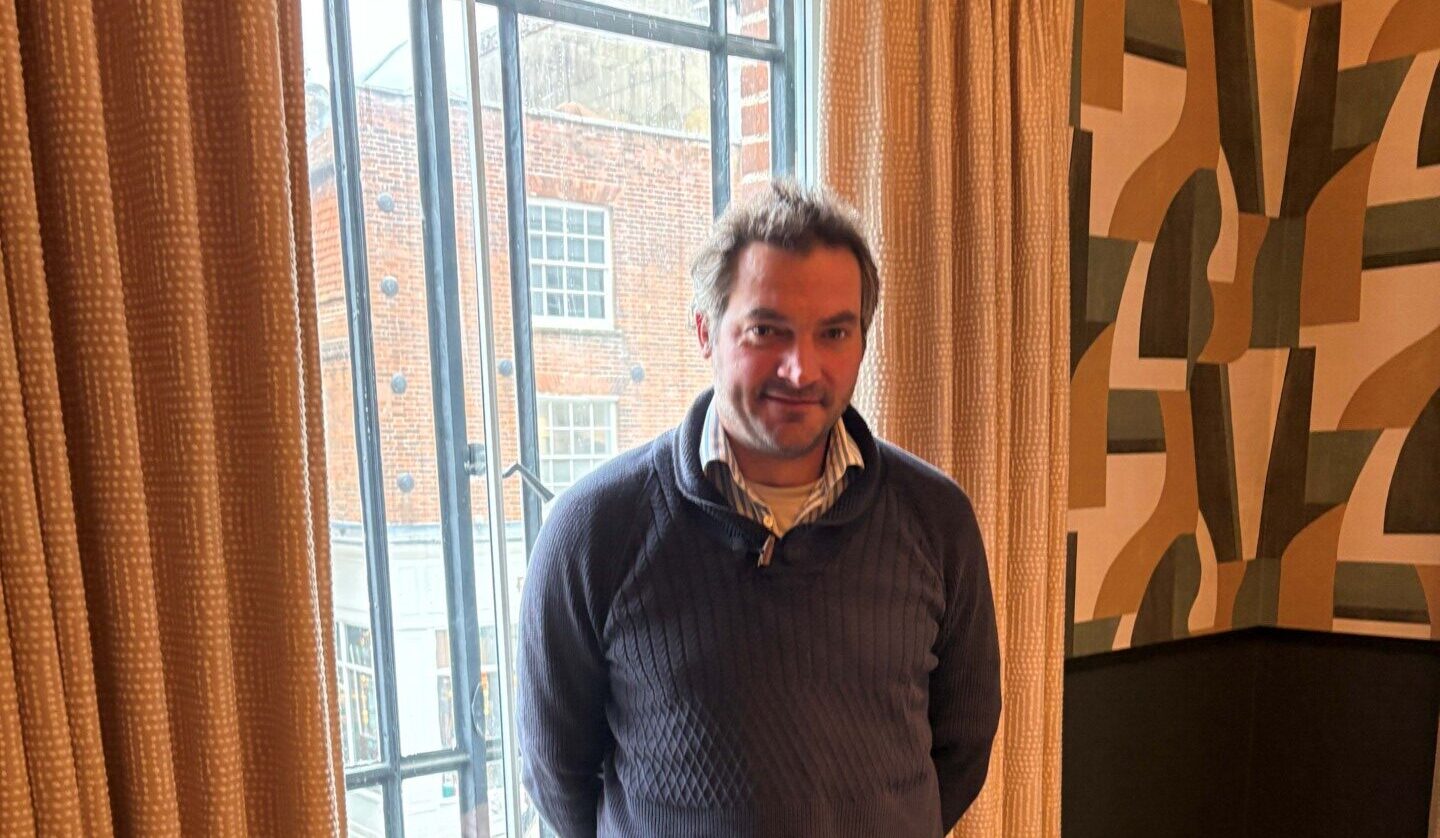
By Dougal Hutley, Founder of OffAgent
For years, Britain’s property portals have fuelled a national pastime of browsing homes we’d never buy. But as artificial intelligence becomes increasingly common in property marketing, housefishing is starting to mean something else entirely: listings that promise one thing online and deliver something very different at the front door. In a market where first impressions are increasingly digital, trust is becoming as valuable as location.
We’ve learned to doubt a filtered selfie and question a viral video. Now AI is quietly reshaping the photos we use to choose a home, the biggest purchase most of us will ever make. From removing imperfections to enhancing views and digitally transforming interiors, the technology can make a property look more appealing than it does in reality. The result is a growing risk that buyers arrive expecting one home and find another.
We’ve all learned to look twice at a filtered selfie. Buyers shouldn’t have to do the same with a house.
There is a clear difference between helping a buyer imagine a property’s potential and changing the reality of what is being sold. Virtual staging can be a useful marketing tool when it’s done transparently. Showing where a sofa might fit, how a spare room could work as a home office, or how an empty property could be furnished can help buyers picture themselves living there.
But when technology is used to remove defects, make rooms appear larger, improve views or disguise issues that a buyer will immediately notice on arrival, the line has been crossed. At that point, it is no longer marketing. It is misrepresentation.
The test is remarkably simple: would the buyer feel conned when they walk through the front door? If the answer is yes, the image should never have been published.
The temptation is understandable. Estate agents operate in a competitive market where instructions are hard won and first impressions matter. Sellers want their homes presented in the best possible light, and technology offers an easy way to achieve that. A brighter sky, greener lawn or freshly rendered exterior can make a listing stand out amongst hundreds of others online.
The problem is that a viewing built on unrealistic expectations helps nobody. The buyer has wasted time travelling to see a home that doesn’t match the photographs. The seller risks losing confidence in the marketing process before their property has had a genuine chance to attract the right purchaser. And the agent damages trust in a profession that already faces scrutiny over transparency.
Most buyers understand that professional photography will present a property at its best. What they don’t expect is to discover that essential details have been digitally altered or hidden altogether.
Technology itself is not the enemy. Used responsibly, AI can help improve image quality, correct lighting issues and create clearer, more attractive listings. The challenge is ensuring that it enhances reality rather than replacing it.
The rules should be straightforward. If an image has been digitally altered in a way that materially changes the appearance of the property, that should be clearly disclosed. Buyers deserve to know what they’re looking at. After all, purchasing a home is not the same as buying a jumper online and returning it if it doesn’t fit.
Trust remains one of the most powerful tools in property marketing. The most successful listings are not necessarily the most polished. They’re the most accurate.
You Don’t Need AI to Take a Photo That Sells
At OffAgent, homeowners list their properties on Rightmove themselves. They know prospective buyers will soon be standing in their hallway, kitchen or living room, so they have every incentive to present their home honestly from the outset.
Fortunately, honesty doesn’t mean dull photography. A great property photo comes down to preparation, presentation and a few simple techniques rather than sophisticated software.
Get the room ready. Clear worktops, side tables and shelves. Put away bins, pet bowls, toiletries and anything likely to distract attention from the room itself. Open curtains, switch on lamps and let as much natural light in as possible. Clean, uncluttered spaces always photograph better.
Choose the right time of day. Mid-morning or mid-afternoon on a bright day tends to provide the most flattering natural light. Harsh sunlight can create deep shadows, while gloomy weather can make rooms feel smaller than they really are.
Shoot from a corner. Standing in a corner often captures the greatest sense of space. Use a phone’s wide-angle setting sparingly and keep lines straight. If walls appear to lean or bend, buyers will notice.
Think about the order of your images. The first few photographs do the heavy lifting. Lead with the strongest image, whether that’s the exterior, kitchen or a standout feature. Buyers decide very quickly whether to click through.
Edit with restraint. Adjust brightness, straighten images and correct colour where necessary. Then stop. If photographs look too perfect, buyers start wondering what they’re not being shown.
And that’s really the point.
The purpose of a property photograph is not to sell a fantasy. It’s to encourage somebody to take a closer look. The photo should get them through the door. The house should do the rest.
Featured Photo: Dougal Hutley, Credit: OffAgent