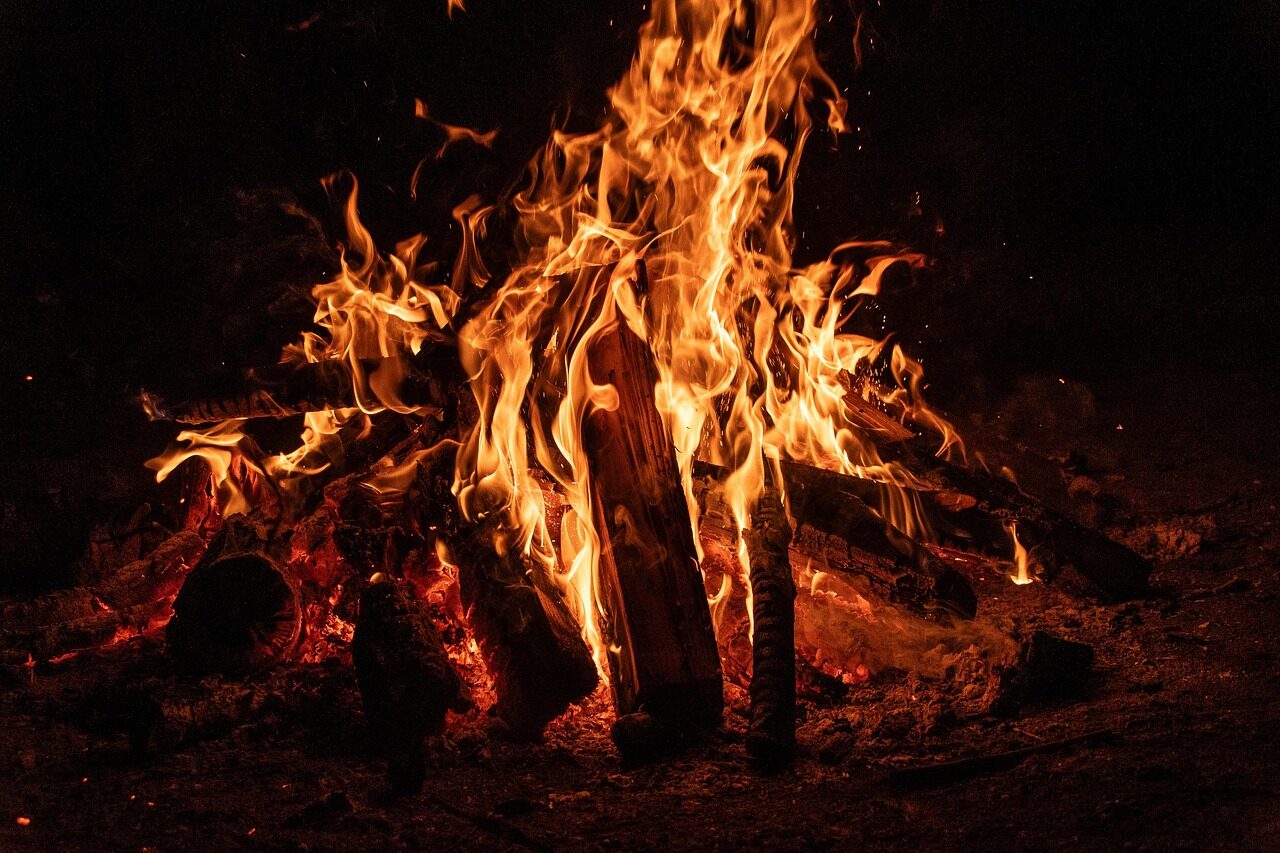
As homeowners across the country tidy their gardens ahead of winter and prepare for Bonfire Night, a waste removal expert is warning that burning old fencing, garden furniture and household rubbish could create dangerous fumes, upset neighbours and potentially result in fines.
Autumn is traditionally a busy time for garden maintenance, with fallen leaves, overgrown shrubs, broken fencing and unwanted outdoor furniture often leaving households with piles of waste to dispose of.
With Bonfire Night approaching, lighting a garden bonfire might seem like a convenient way to get rid of unwanted materials. However, experts warn that not everything collected during an autumn clear-out is suitable for burning.
The warning comes after London Fire Brigade reported receiving more than 30% additional calls relating to bonfires on 5 November 2025 compared with the same date in 2024.
Miroslav, founder of Rainbow Rubbish Removals, says homeowners should think carefully before treating their garden waste as bonfire fuel.
“An old fence panel might look like useful firewood, but you may not know what preservatives or coatings are on it,” says Miroslav.
“The same applies to a mixed pile of garden rubbish. Just because something came from outside does not mean it belongs on a bonfire.
“Sort the waste before deciding how to dispose of it. Burning everything together can create smoke, harmful fumes and a fire that becomes difficult to control.”
Can You Legally Burn Garden Waste at Home?
Many homeowners are unsure whether garden bonfires are actually permitted.
In England, there is no blanket ban on domestic garden bonfires. However, that does not mean householders are free to burn whatever they like.
Government guidance makes clear that household waste must not be disposed of in a way that causes pollution or harms human health.
Smoke from garden fires can also become a legal issue if it causes a statutory nuisance to neighbours or creates a hazard for motorists on nearby roads.
Even where a bonfire is permitted, householders should consider whether burning is necessary.
Composting, council garden waste collections, recycling centres and professional waste removal services are generally more appropriate ways to dispose of unwanted garden materials.
What Can You Safely Burn on a Garden Bonfire?
The type and condition of material being burned can make a considerable difference to the amount of smoke produced and the risks involved.
Homeowners should separate their waste before deciding how to dispose of it.
| Material | Advice |
|---|---|
| Clean, dry, untreated wood | May be suitable where bonfires are permitted and can be managed safely. |
| Dry branches and woody prunings | Consider shredding, composting or garden waste collection first. |
| Small amounts of plain paper or cardboard | May be permissible, but bonfires should not be used to dispose of accumulated packaging. |
| Wet leaves and grass clippings | Avoid burning as damp vegetation produces excessive smoke. Compost instead. |
| Painted or treated fencing and decking | Do not burn. Coatings and preservatives may release harmful substances. |
| Plastic plant pots and garden furniture | Never burn. Use suitable recycling or disposal services. |
| Rubber, tyres and foam cushions | Keep off bonfires because of the risk of harmful fumes. |
| Batteries, aerosols and paint tins | Never burn. These can present serious fire and explosion hazards. |
| Glass, metal and mixed household waste | Separate for appropriate recycling or disposal. |
Miroslav says one of the most common mistakes is assuming that anything unwanted can simply be added to a fire.
“The biggest mistake is treating the bonfire as the final destination for everything you no longer want,” says Miroslav.
“Separate timber from plastic, metal and plant material. If you are unsure what something contains, do not burn it.”
Could You Be Fined for Having a Garden Bonfire?
Although garden bonfires are not automatically illegal in England, there are several circumstances in which householders could face enforcement action.
1. Causing a Smoke Nuisance
Local councils have a legal duty to investigate complaints that may amount to a statutory nuisance.
This generally means that smoke must substantially and unreasonably interfere with someone’s use or enjoyment of their property, or be harmful or potentially harmful to health.
A neighbour simply disliking the smell of a bonfire does not automatically mean an offence has been committed.
However, where the legal threshold is met, the council can issue an abatement notice requiring the nuisance to stop or be restricted.
Failing to comply can result in prosecution and a court-imposed fine.
2. Allowing Smoke to Drift Across a Road
Smoke from a garden bonfire can reduce visibility for passing motorists, particularly if the property is close to a busy road.
Government guidance warns that householders can be fined if smoke drifts across a road and creates a danger to traffic.
3. Burning Waste That Causes Pollution
Burning inappropriate household waste can also lead to enforcement action under environmental legislation.
Items such as plastics, treated timber and other unsuitable materials can release pollutants into the air.
The penalties depend on the nature of the offence and the circumstances involved.
“There is no single automatic ‘garden bonfire fine’ that applies whenever someone lights a fire,” says Miroslav.
“But the fact that it is on your property does not remove your responsibility for the smoke or what you are burning.”
Is It Better to Have a Bonfire After Dark?
One common misconception is that garden bonfires are only allowed after a certain time in the evening.
In England, there is no general nationwide rule requiring householders to wait until after 6pm or any other specific hour before lighting a garden bonfire.
Equally, waiting until the evening does not make a smoky or unsafe fire acceptable.
Local restrictions, existing abatement notices and the impact on neighbouring properties still apply.
“Waiting until after dark does not solve a smoke problem,” says Miroslav.
“If it is drifting into neighbouring homes, changing the time does not make the impact disappear.
“Check your council’s advice and consider whether the material needs burning at all.”
For homeowners living in residential areas, smoke can easily drift into neighbouring gardens, through open windows or towards nearby buildings.
People with respiratory conditions may be particularly affected by smoke, making it important to consider neighbours before lighting a fire.
Why Organised Bonfire Night Events May Be a Better Choice
With Bonfire Night approaching on 5 November, fire services are encouraging families to consider attending professionally organised events rather than holding their own garden bonfires.
Organised displays generally have dedicated safety arrangements and can reduce the number of individual fires requiring attention during one of the busiest periods of the year for emergency services.
For homeowners with smaller gardens, avoiding a bonfire also removes the challenge of managing flames close to fences, sheds, trees and neighbouring properties.
“If the aim is to enjoy Bonfire Night, look for a properly organised local event,” says Miroslav.
“You can enjoy the evening without creating another fire to manage in a garden surrounded by fences, sheds and neighbouring homes.
“Keep the garden clear-out separate from the celebration. Leaves can become compost, usable items can be passed on, and the remaining waste can go through the right collection or recycling route.”
Essential Safety Precautions If You Do Have a Bonfire
Anyone planning a garden bonfire should take appropriate precautions to reduce the risk of injury or property damage.
Fire safety advice includes:
- Positioning bonfires well away from homes, sheds, fences, trees and overhead cables.
- Avoiding fires during windy weather, when flames and embers can spread unexpectedly.
- Checking piles of garden material for hedgehogs and other wildlife before lighting.
- Never using petrol, paraffin or other accelerants to start or intensify a fire.
- Keeping children and pets well away from flames and hot embers.
- Having a suitable water supply available in case the fire needs to be extinguished.
- Never leaving a bonfire unattended.
- Ensuring the fire is completely extinguished and checking for remaining hot embers.
If a fire becomes uncontrollable or threatens people or property, householders should move to safety and call 999 immediately.
Greener Ways to Dispose of Autumn Garden Waste
For many households, an autumn clear-out can be completed without lighting a bonfire at all.
Fallen leaves and suitable garden clippings can be composted, creating useful material for flowerbeds and borders.
Branches and woody cuttings can often be shredded and used as mulch, while unwanted garden furniture may be suitable for reuse, donation or recycling.
Broken fencing, treated timber and other bulky materials should be taken to an appropriate recycling or waste disposal facility, or collected by a properly authorised waste removal company.
Homeowners using a private waste collection service should check that the operator is registered to carry waste and that unwanted materials will be disposed of responsibly.
With Bonfire Night approaching, Miroslav’s advice is to keep garden maintenance and celebrations separate.
A few minutes spent sorting waste into appropriate disposal categories can help prevent unnecessary smoke, reduce environmental harm and avoid potentially costly mistakes.
For homeowners preparing their gardens for winter, the simplest solution may also be the safest: compost what you can, recycle what is suitable and dispose of everything else responsibly.
About Rainbow Rubbish Removals
Rainbow Rubbish Removals provides rubbish removal and garden clearance services across London, including the collection of unwanted garden furniture, timber, bagged soil and rubble.
Sources and References
Rainbow Rubbish Removals – Garden Waste Removal Services:
https://rainbowrubbishremovals.co.uk/garden-waste-removal-in-london/
UK Government – Garden Bonfires and the Law:
https://www.gov.uk/garden-bonfires-rules
London Fire Brigade:
https://www.london-fire.gov.uk/
Environment Agency:
https://www.gov.uk/government/organisations/environment-agency
Legal guidance in this article relates to England. Homeowners should check their local council’s requirements and any restrictions affecting their property.