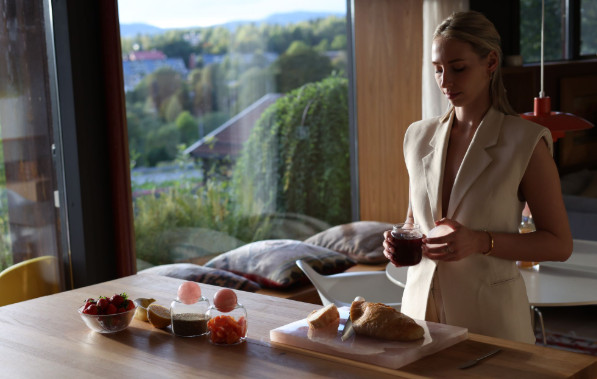
For decades, fashion and interior design occupied separate worlds.
One lived in wardrobes, the other within homes.
Today, those boundaries are becoming increasingly blurred.
Across social media, luxury hospitality, retail spaces and contemporary homes, the same themes continue to emerge: materiality, craftsmanship, individuality and a growing desire for environments that feel intentional rather than excessive.
Consumers are no longer simply buying products. They are investing in lifestyles.
This shift has created a stronger relationship between fashion and interiors than ever before. The colours, materials and visual narratives appearing on runways are increasingly influencing how people decorate their homes, while interior design trends are shaping the way fashion brands create stores, campaigns and experiences.
Perhaps nowhere is this more visible than in the growing popularity of tactile natural materials. Stone, glass, timber and brushed metals have become central to both luxury fashion and contemporary interiors. Rather than prioritising trend-driven aesthetics, many consumers are seeking objects that feel timeless, authentic and capable of ageing beautifully.
Alongside this, there has been a move away from overt displays of luxury and towards a more understated form of sophistication. The concept often referred to as “quiet luxury” has extended beyond clothing and into the home, influencing everything from furniture and lighting to storage and decorative objects.
As a result, homes are becoming more curated and personal. Objects are increasingly selected not only for their function but also for the atmosphere they create. Everyday items are expected to contribute to the overall visual experience of a space rather than simply fulfil a practical purpose.
This evolution has also begun to influence major design and cultural events. Fashion weeks, once focused exclusively on clothing, are increasingly providing a platform for conversations around interiors, hospitality, wellness and contemporary living. Designers and brands are recognising that consumers rarely separate these categories in their daily lives. Instead, they experience them collectively as part of a wider lifestyle.
The growing overlap between fashion and interiors reflects a broader cultural shift towards intentional living. People are becoming more selective about what they bring into their homes, placing greater emphasis on quality, longevity and emotional connection.
In many ways, the future of interior design may not be defined by furniture alone, but by the same principles that have long shaped great fashion: craftsmanship, storytelling and a strong sense of identity.