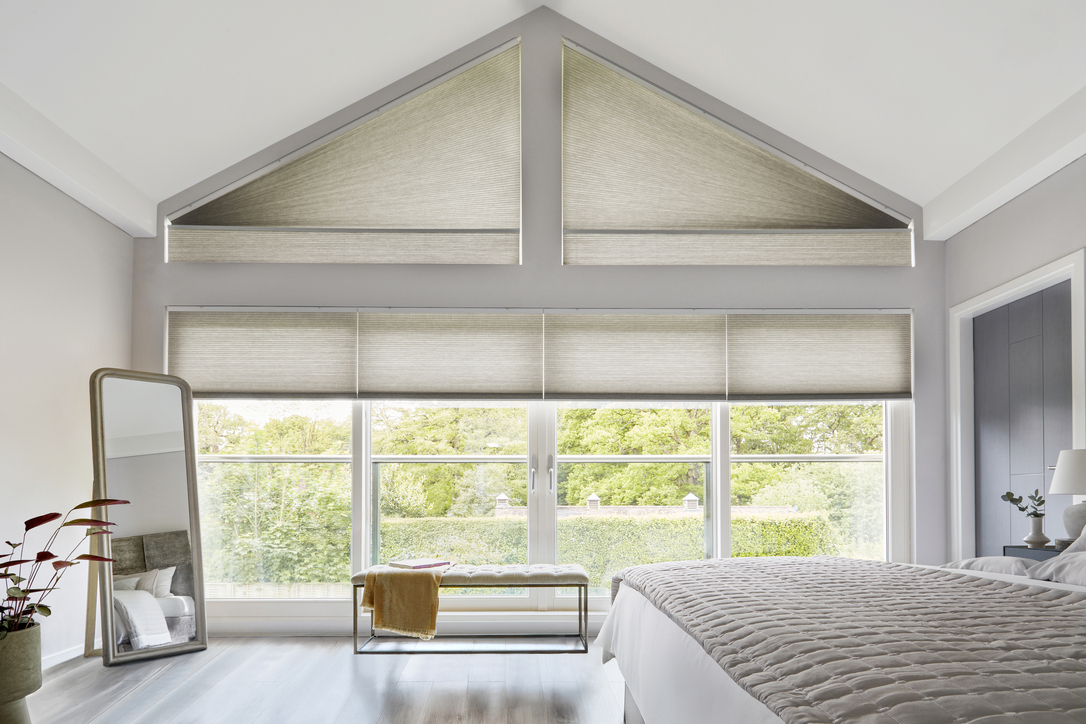
As UK summers continue to get warmer, homeowners are increasingly looking for ways to keep their homes cool without relying on energy‑hungry air conditioning.
This year, that interest is starting earlier than usual, with Brits actively searching for cooling solutions well before peak summer temperatures arrive.
New insight from Luxaflex shows that searches linked to keeping homes cool and reducing window heat are already rising in late winter and early spring, signalling a more proactive approach to managing summer heat indoors.
Interest in keeping homes cool is starting earlier – and rising faster
According to Luxaflex analysis of Google search behaviour, interest in summer cooling is no longer confined to heatwaves alone. In early 2026, searches for terms including “summer shading,” “window heat,” “sun glare” and “best blinds for keeping heat out” began increasing from February, earlier than has typically been seen in previous years.
Historically, broader queries such as “how to keep house cool in summer” and “how to keep cool at night” tend to peak in June and July, but the appearance of related searches earlier in the year suggests homeowners are planning ahead, rather than reacting once their homes become uncomfortably hot.
Searches linked to glare and solar heat gain are also trending earlier, with “sun glare” searches typically spiking in March and April, and “window heat” showing spikes as early as February 2026, reinforcing the shift towards early-season preparation.
“Historically, we’ve seen interest in cooling the home spike during heatwaves,” says Simon Browne, product expert at Luxaflex.
“What’s different this year is how early those questions are being asked. People aren’t waiting until their homes feel unbearable, they’re actively looking for ways to prevent overheating before summer even arrives.”
Why homeowners are searching for alternatives to air conditioning
While air conditioning can offer short‑term relief, many UK homeowners are actively seeking alternatives that are more energy‑efficient and better suited to British homes.
Interest in practical solutions that reduce heat at the window – such as shading, glare control and thermal blinds – is showing clearer growth, particularly earlier in the year than expected.
Following several warmer‑than‑average summers and rising energy costs, households are increasingly focused on preventing heat build‑up in the first place, rather than relying on costly cooling once indoor temperatures rise.
“People want to stay comfortable without driving up energy bills,” Simon Browne explains.
“That’s why we’re seeing more interest in shading and thermal solutions earlier in the year, it’s about stopping heat before it enters the home, not fighting it once it’s already there.”
How window shading helps stop homes overheating
Experts agree that preventing solar gain is far more effective than trying to cool rooms after they’ve overheated.
Well‑designed window shading can:
- Reduce direct sunlight and glare, limiting heat build‑up during the day
- Use thermal and honeycomb structures to help regulate indoor temperatures
- Be paired with smart or electric controls to automatically manage shading during the hottest hours
Searches for “best blinds for keeping heat out” are showing growth, while “how to keep rooms cool in summer” continues to attract consistent interest as temperatures rise – again pointing to a more considered, preventative mindset among homeowners.
Keeping cool at home is also about better sleep
The data also highlights a strong link between overheating homes and disrupted sleep. Searches for “how to keep cool at night” carry high search volume and typically spike in early summer, while related interest in glare and light control reflects concern around lighter evenings and early mornings.
Shading solutions that limit daytime heat build‑up and block early morning light are increasingly being explored as ways to improve sleep quality without mechanical cooling.
“A cooler, darker bedroom can make a noticeable difference to how well you sleep in summer,” says Simon Browne.
“It’s clear people are thinking about comfort and sleep much earlier in the season now, not just during heatwaves.”
Preparing your home before the next heatwave
With warmer weather arriving earlier and preparations starting sooner, experts recommend acting early when it comes to summer‑proofing the home.
Simon advises homeowners to:
- Identify sun‑facing rooms that overheat first
- Choose shading tailored to room use and window orientation
- Consider smart solutions that manage heat automatically throughout the day
With searches linked to glare, window heat and summer shading now appearing from late winter onwards, the message is clear: UK homeowners are shifting from reactive cooling to early, preventative planning.
I hope you find this release useful. If you end up using it, we kindly ask that you include a link as credit to: https://www.luxaflex.co.uk/products/duette-shades/. A linked credit allows us to keep supplying you with future content that you may find helpful.