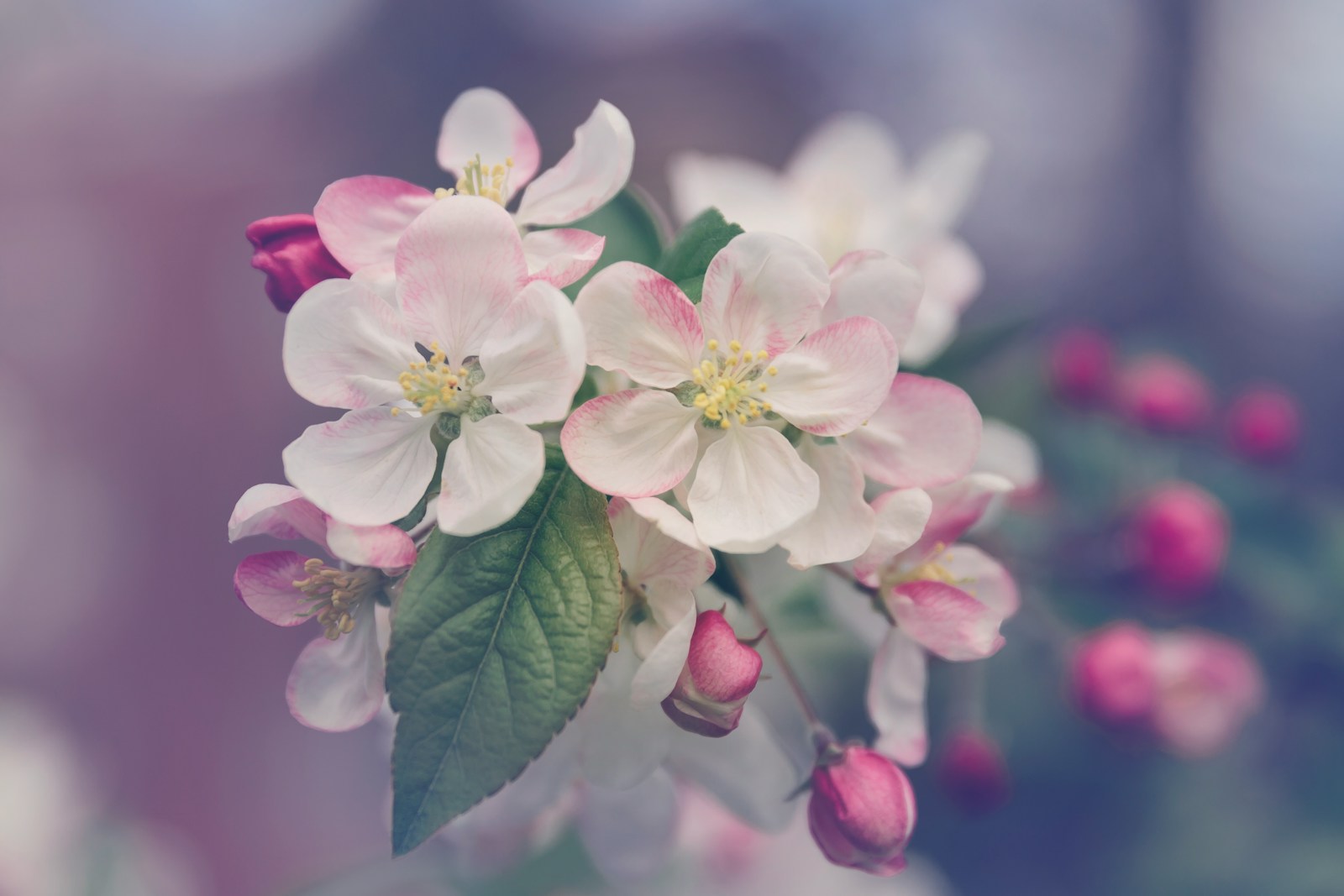
Artificial flowers are no longer a compromise — they are becoming a deliberate choice for busy households and hospitality spaces seeking visual impact without ongoing maintenance.
From boutique hotels to family homes, faux florals offer consistency, longevity, and a polished aesthetic that fresh flowers can’t always guarantee. With no wilting, shedding, or weekly replacements, they allow spaces to look styled at all times, regardless of schedule.
Michelle Best, owner of online artificial flower studio Best & Bloom, has seen this shift firsthand.
“People love the look of professionally styled flowers, but they don’t always have the time, confidence, or energy to maintain fresh arrangements,” she explains. “Artificial flowers solve that problem — they give you the look without the upkeep.”
Advances in design and manufacturing have transformed artificial flowers, making them almost indistinguishable from the real thing. Texture, colour variation, and natural irregularity are now key to their realism — and perfection is no longer the goal.
As demand for artificial flowers grows, so does the variation in quality. While some designs rival fresh florals, others still fall short — and knowing what to look for makes all the difference.
According to Michelle, quality is revealed in the details.
“The first thing I look at when choosing stems for arrangements is texture,” she says. “Good faux flowers should feel soft and slightly irregular, not shiny or stiff. Colour is also crucial — real flowers have depth and variety, not one flat tone.”
Other indicators include stem construction, weight, and movement. High-quality stems bend naturally and hold their shape, while poorly made ones feel flimsy or unnaturally rigid. Arrangements should feel balanced rather than overly symmetrical, echoing how flowers grow in nature.
This focus on authenticity has repositioned faux flowers from novelty item to interior feature — one that can hold its own in both homes and design-led spaces.
Consumers are increasingly becoming more discerning, treating artificial florals as design pieces rather than impulse buys. As expectations rise, quality — not convenience — is becoming the defining factor.