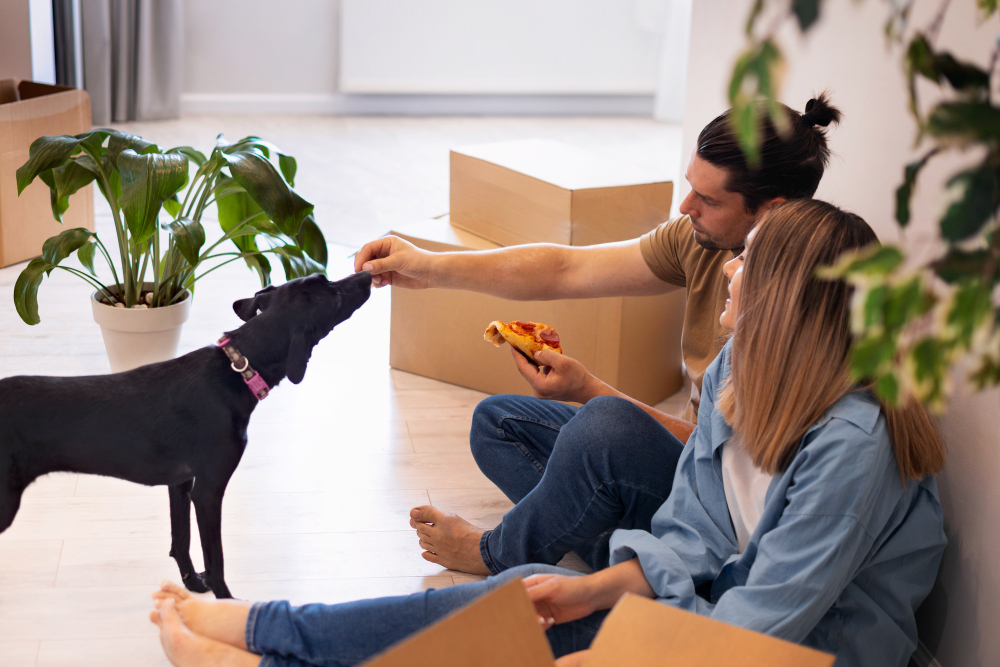
Moving house is one of life’s most stressful events, but for your pets it can be completely terrifying. Amid the chaos of boxes, open doors and disappearing furniture, many dogs and cats are left confused, distressed or at risk, and it’s something owners often overlook until it’s too late.
According to a recent survey, 84% of owners said their pets experienced some level of stress adjusting to their new home and neighbourhood, with the most common signs being accidents in the home, crying, panting or destructive behaviour. Yet many still pack and move without any kind of pet plan in place.
“We’ve seen cats bolting out of open doors, dogs tearing up furniture and pets that are so stressed they won’t eat or come out from hiding for days after the move.” Says house removals expert, Mark Freeman at South Park Removals. “Most of the time, it’s not cruelty, it’s just a lack of preparation and people forgetting that their animal doesn’t have a clue what’s going on.”
Things to avoid for pets on moving day
Mark says the biggest issues come from pets being:
- Left to roam while the front door is wide open for hours
- Trapped in hot vans or cars while the owner is moving bits around
- Surrounded by noise, strangers and disruption, triggering their anxiety
- Unsettled by unfamiliar smells and a different routine
In worst cases, animals can escape, overheat, or become sick from stress.
How to keep your pet safe and calm when you move
- Book pet care for moving day – If possible, have a trusted friend, sitter or kennel look after your pet during the move. This keeps them away from the action and avoids last-minute panics.
- Set up a ‘safe zone’ early – Choose a quiet room in the new house and get it ready first, complete with their bed, toys, water and food. Close the door and let them settle slowly.
- Don’t transport them with the removals van – They should always travel with you, ideally in a calm, ventilated vehicle with breaks, shade, and familiar items around them.
- Update ID and microchip – In case of escape, make sure your pet is chipped and wearing a collar tag with your new address or contact number.
- Stick to routine as much as possible – Keep feeding, walk times and bedtime the same, it gives them something familiar to hold onto.
Extra tips for a smooth pet move
- Pack their stuff last and unpack it first
- Don’t wash their bedding right before the move; familiar scents are calming
- Give them space, don’t overwhelm them with visitors straight away
- Introduce new areas gradually so they can sniff and explore in stages
- Monitor their behaviour – appetite loss, panting, or pacing could signal stress
“Pets don’t know they’re going to a better house, they just know everything’s changing,” says Mark. “A little bit of planning can make the move much easier for them and for you.”