
Written by Mehran Charania, Director of Ready, Steady, Store
It’s estimated that we spend up to 62 per cent of our time at home, and so it’s only natural that our living space impacts our mood and mental wellbeing.
Whether we want our home to be a relaxing haven, an uplifting space, or somewhere fun to host and enjoy with others, there are many elements in the home that impact the mood we’re trying to create and the effect this has on us.
It can be easy to get bogged down in our day-to-day responsibilities and overlook how the living space we spend so much time in may be negatively impacting our emotions, productivity levels or mental resilience, but there are a few simple steps that can be taken to address this.
Prioritise decluttering
A cluttered home can easily lead to a cluttered mind, with studies showing that those living in cluttered homes are more likely to have higher levels of the stress hormone cortisol, compared to those living in tidy, organised spaces.
Whether it’s clothes that no longer fit, out of date documents, or old furniture being saved for ‘just in case’, clutter can quickly accumulate if you’re not regularly reviewing which items are needed in your home. Taking the time to sell, donate, or throw away anything you no longer want or need can help create a calmer environment and reduce mental clutter and tension.
But what about those items you only need at certain times of the year, such as festive decorations or seasonal clothing? These items may be taking up valuable space in your home and adding to your stress levels.
In this case, it’s worth looking into self storage. This option means you can still have access to your belongings whenever you want them, but they will no longer be taking up space in your home that could be used in a more productive way.
Consider colour
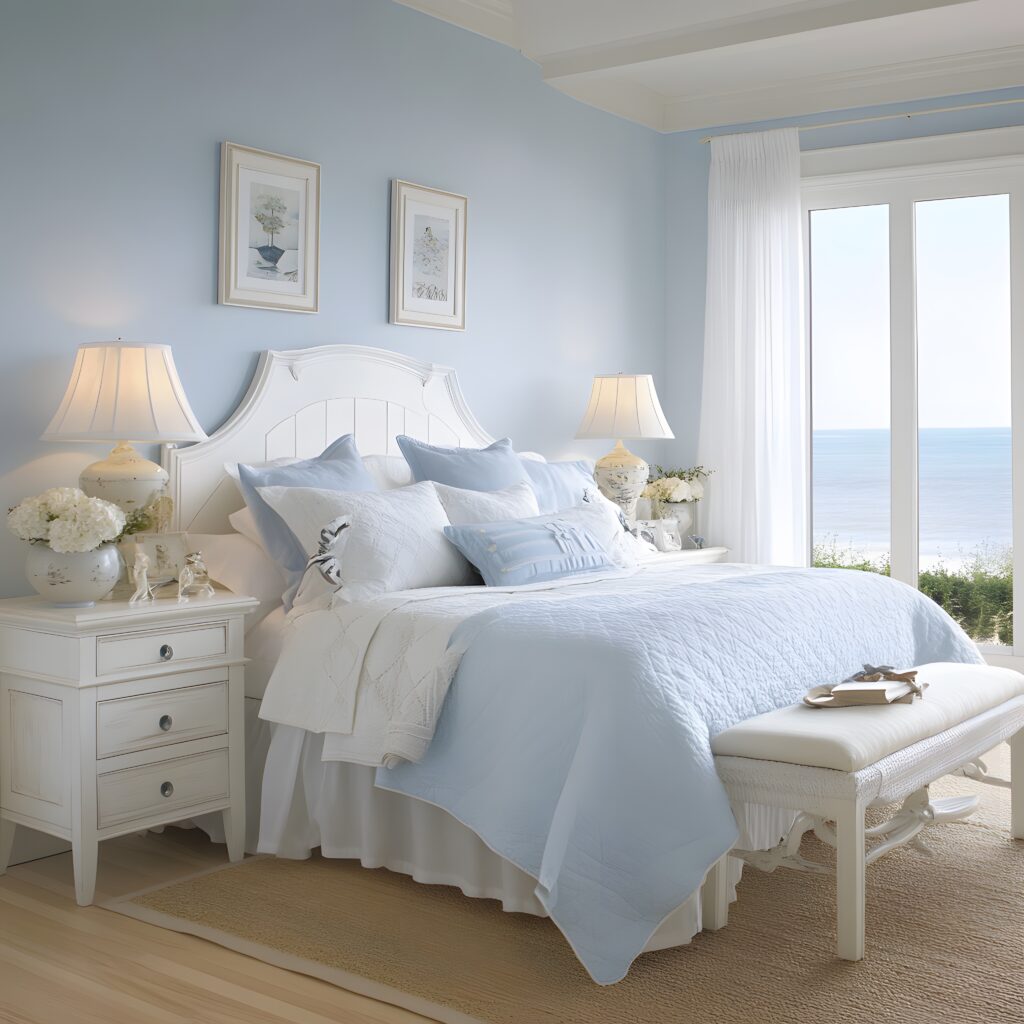
Colour has a well-documented psychological impact, influencing emotions and mood in subtle but significant ways. Think about the difference between stepping into a room painted a soothing blue versus a bold, energising red. Since everyone responds to colour differently, it’s worth experimenting with various palettes to discover which shades resonate most with you and support your wellbeing.
Cool, calming shades like blue, green and soft neutrals are ideal for creating tranquil, restful spaces. On the other hand, warm, lively tones such as yellow and orange can uplift and invigorate.
It’s important to remember that we all experience colour differently, so experiment with different shades to see which has the most uplifting impact on your mood and wellbeing.
Separate your spaces
Many of us are spending more time at home thanks to changing working habits, with 63 per cent of people in the UK now working remotely either all or some of the time.
It can be easy to let your working life spill into your personal life if you are working, eating, relaxing, or sleeping all in the same room, and this is why work-life balance boundaries are so important.
Working and sleeping in the same space can make it feel as if there is no escape from the stresses of the working day, which can negatively impact your sleep, as well as your mood.
Where possible, setting out separate spaces in the home for work, relaxation and sleep means you can draw a line under the working day, allowing you to fully switch off and recharge without constant reminders of your to do list or upcoming meetings.
Introduce some greenery
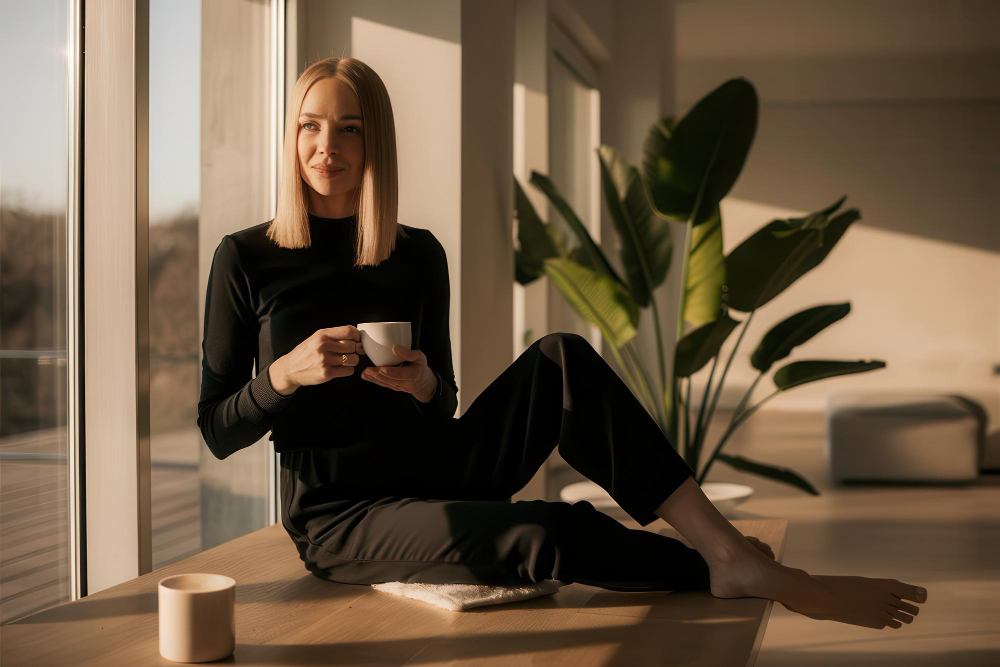
Houseplants have boomed in popularity over the last few years, and with good reason. Research shows that houseplants can benefit both our mental and physical health, and can lead to improved mood, reduced stress levels and increased productivity.
Those living in urban areas may not have access to green outdoor spaces, so investing in a houseplant or two means you don’t have to miss out on the health benefits that come with getting out in nature.
Taking care of a houseplant also means adopting a level of responsibility and a routine to ensure it gets the nutrients it needs to survive. Seeing your houseplant thrive thanks to the time and care you have put in is rewarding, which is another positive for boosting mental health.
Final thoughts
Assessing how your living space could be impacting your mental wellbeing doesn’t need to be difficult and can be an enjoyable way to consider how you can better take care of yourself.
Clutter, colour, greenery and dedicated relaxation and workspaces in the home all have a big impact on our stress levels and emotional wellbeing, whether we realise it or not.
Taking some time to consider how you can refresh and revitalise your space will not only benefit your home, but your mind too.
About the author
Mehran Charania is the Director of Ready Steady Store
Established in 2005, Ready Steady Store is one of the fastest growing self storage providers in the UK, with cost-effective storage units located in the Midlands, South, North and East of England.